
If you and your family think climate change is a problem, you’ve probably wondered about how to do your part to stop it. Maybe you’re biking more and driving less, or unplugging your electronics at night. What you might not know? There’s probably something in your pantry that’s contributing to global warming in a big way: palm oil.
At first, I wasn’t sure if this was such a big deal. That is, until I started checking ingredient lists and finding palm oil everywhere. The more I learned about the dangerous effects of palm oil on animals and people of the rainforest, the more I wanted to change.
I knew I needed to get my 5 year old kiddo, a huge “planet protector,” on board. Here’s what we’re doing to learn more and take action.


Copyright: Isselee / 123RF Stock Photo
Disclosure: This post contains affiliate links. When you purchase items through these links, I earn a small commission at no additional cost to you. Thanks for helping me provide free resources for parents and educators! Read my full disclosure policy here.
What is palm oil?
Chances are, if you pick up a container of processed food, you’ll find palm oil in the ingredients. (There are lots of sneaky names for palm oil, so it might not be obvious at first glance.)
Granola bars, instant noodles, chips, chocolate, and even healthier foods like almond milk often contain it.
Roughly half of the packaged products sold in U.S. grocery stores contain palm oil. When trans fats became unpopular, companies turned to palm oil to make sure foods still had the same taste and texture.
The oil is extracted from palm trees native to Africa, which are now mostly grown in Malaysia and Indonesia. But large scale palm oil production is now spreading to West Africa and Latin America.

Related Post: 11 Ways Your Family Can Reduce Food Waste
How palm oil production is endangering animals and contributing to climate change
Palm oil production is one of the leading causes of rainforest destruction.
As plantations expand, some of the world’s most biologically diverse habitats are affected. Animals including the Sumatran and Bornean orangutans, the Sumatran elephant, and the Sumatran rhino are in danger of extinction because of the loss of their habitat.
It’s not hard to see why this would concern animal lovers.
But the effects of palm oil are even bigger than that.
Subscribe to my free Resource Library using the form below to get my kids’ mini book: 10 ways you can help stop climate change
The health of our world’s rainforests has a huge effect on our ability to fight climate change. Because they’re the “lungs of the planet,” when rainforests are harmed, even those of us who lives thousands of miles away are affected.
Indigenous people and small scale farmers are being pushed off their land by palm oil plantations. In Indonesia alone there are 700 land conflicts that are related to the palm oil industry.
This seems like a high price to pay for tasty snacks.
Related Post: How Families Can Fight Climate Change in the Kitchen
What kids can do about palm oil and climate change
1) Get inspired: learn more about the rainforest and biodiversity with these children’s books
Depending on the age of the children you’re talking to about climate change, you can overwhelm with facts pretty quickly. Instead of laying on tons of information, inspire kids with how amazing rainforests are with these books and resources:

Many: The Diversity of Life on Earth by Nicola Davies and Emily Sutton
This gorgeous book is not just about the rainforest. It introduces kids to the amazing bio-diversity of our world through fascinating pictures and engaging text. Kids learn how there are so many plants and animals living in places we wouldn’t even think of.
The story also talks about how living things depend on each other, and why we need our environment to be diverse and complex. This is a great entry point to talking about the loss of habitats caused by harmful practices like large scale palm oil plantations. (Recommended for ages 5 – 10).
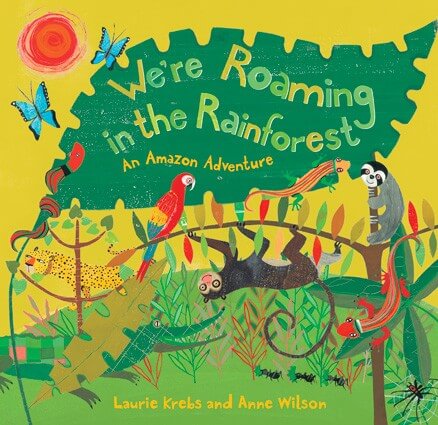
We’re Roaming in the Rainforest: an Amazon Adventure by Laurie Krebs and Anne Wilson
My son loves the colors and rhymes of this lively book, which introduce younger children to animals of the Amazonian rainforest.
Although the story itself is fairly simple, I also recommend the book for older children because of the 10 pages of illustrated educational notes. They address topics including the peoples of the Amazonian rainforest, conservation, and additional detail about the animals. Though kids may have thought about animals living in the rainforest, it’s important for them to also know that indigeneous people are also being affected by harmful environmental practices. (Recommended for ages 4 – 10)

The Great Kapok Tree by Lynne Cherry
A man arrives in the rain forest and attempts to chop down a huge Kapok tree. The effort soon wearies him and he falls asleep.
As he slumbers, many different animals approach him, whispering in his ears all the different reasons he must not chop down the tree. By the end of the book, children will understand just how interconnected all of nature is and why rain forests are so precious. (Recommended for ages 4 – 10)
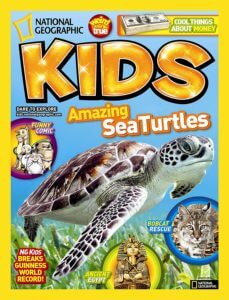
National Geographic Kids magazine
Our kiddo has been receiving National Geographic Kids for a year now, and just about every issue fuels his passion for protecting the earth. Animals of the rainforest and kid-friendly ideas for helping the earth are frequent topics. (Recommended for ages 6 – 12).
Related Post: 9 Ways Kids Can Protect the Planet, on Earth Day and Every Day
2) Become a palm oil detective
For children who are old enough to read, they can help adults find palm oil in the ingredients lists on the foods and products you buy. My free mini-booklet, 10 ways kids can fight climate change, includes a list of palm oil’s different names.
Encourage your child to print it out and bring it on your next grocery store trip. Or, if that sounds too chaotic, use it to investigate what’s already in your pantry.
If your family eats even a moderate amount of processed food, you’ll likely find palm oil in many items.
It might be too overwhelming to try to eliminate all those foods at the same time. Consider starting with one category of foods or products (i.e. breakfast, treats, shower products, etc.) Once you’ve food substitutions, you can expand to another category.
If you want to start with the delicious category of chocolate, these fair trade companies do not use palm oil in their products:
Alter Eco chocolate bars and truffles
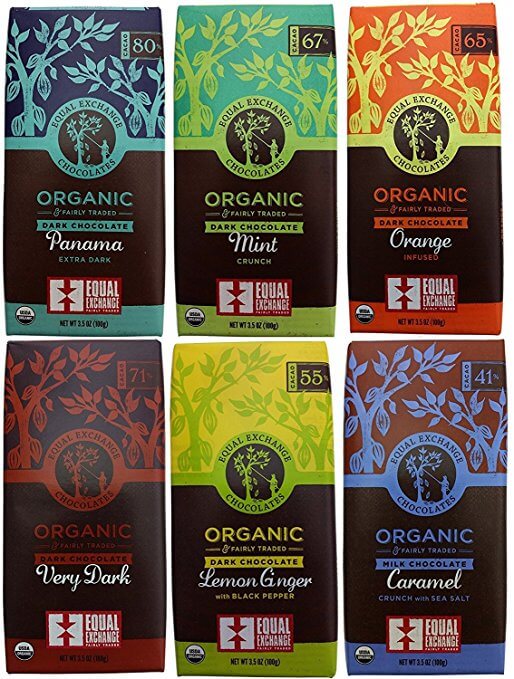
Equal Exchange: Chocolate Bars, Chocolate Chips, and Drink Mixes
Divine Chocolate: Chocolate Bars, Chocolate Candies, and Cocoa
Depending on your child’s age, you may need to remind them over and over why you’re trying to change what’s in your kitchen. Pull out pictures, magazines, books, or videos that help them remember how much palm oil is hurting animals and peoples of the rainforest.
3) Learn some new recipes
Sometimes, the easiest way to avoid palm oil is to make your own food.
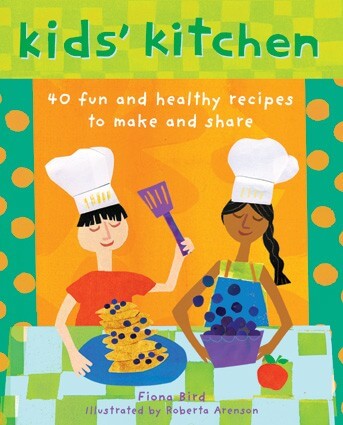
Kids Kitchen from Barefoot Books is one of our favorite recipe collections for families. These healthy vegetarian recipes from around the world are simple enough for kids ages 8+ to make on their own, or for younger children to make with an adult.
Related Post: 6 Diverse Picture Books to Celebrate Earth Day
4) Tell companies to keep conflict palm oil out of our food
For kids and families who want to push companies to do the right thing when it comes to palm oil, I highly recommend connecting with Rainforest Action Network.
I love that RAN focuses on preserving rainforests and protecting the climate at the same time that they work for human rights of people who live in the rainforests.
Right now, RAN is encouraging students to send pictures and letters to PepsiCo. You can follow their instructions here on how to urge PepsiCo to take conflict palm oil out of foods like Doritos and Chewy Granola Bars.
