Our five year old has never traveled outside the United States. That doesn’t mean we’re not working hard to raise a kid who thinks about the world! If international travel isn’t an option for your family right now, there are still many ways you can help your children become global citizens. Try these ideas for raising kids who celebrate other cultures and have a passionate curiosity about the world.


Disclosure: For your convenience this post contains affiliate links. If you purchase items through these links, I may earn a small commission at no additional cost to you. You can read my full disclosure policy here.
10 Ways to Raise Little Global Citizens
1. Incorporate Maps Into Your Home Decor
All young global citizens need at least one world map to explore!
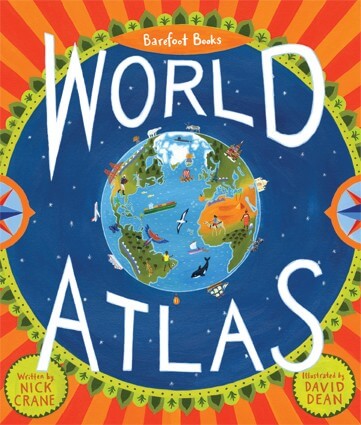
We have a large world map that hangs over our preschooler’s bed. It’s included in a book we refer to all the time, The Barefoot Books World Atlas.
So far, he only remembers a few of the continent’s names, but he’s fascinated with the map. Many of the books we read are stories set in other countries, and he loves it when I help him find the continent and country the story is set in.
I’ve also had my eye on a scratch off map, thinking that we could scratch off each country as we read a book set there.
2. Encourage your child’s curiosity and questions
Sometimes children ask questions about differences in ways that make us uncomfortable. If your child makes an observation while in public about another person’s disability or skin color, your first impulse may be to shush them and make a quick exit.
However, this unintentionally teaches your child that differences are bad or embarrassing. Instead, look for ways to share factual information with your child.
Let’s say your child sees another child who has leg braces and shouts out “What’s wrong with her legs?” You might respond with, “some people’s legs work differently than yours, and so they use braces to walk. That way she can play here at the playground too. Isn’t that cool?”
Encouraging questions also means allowing your child to ask questions or make objections to things that we do as adults. A questioning spirit helps children understand that there’s more than one way to do things.
3. Help your child become more empathetic by helping him understanding his own feelings
If we want our children to be the kind of people who will care about what happens to other people (in our own communities or across the globe), empathy is key. Here’s the thing though: young children are inherently self-absorbed. That’s not a bad thing in and of itself; it’s just where they are in their development.
Children who understand their own feelings will be better able to empathize with other people’s feelings as they mature.
If you have a toddler or preschool aged child, you can start building empathy now by helping your child identify what his feelings are.
When he’s expressing frustrated thoughts, and perhaps even throwing a tantrum, mirror his feelings back to him. “You’re so mad right now because you really wanted to get a cupcake. You feel angry, and now you’re crying,” for example.
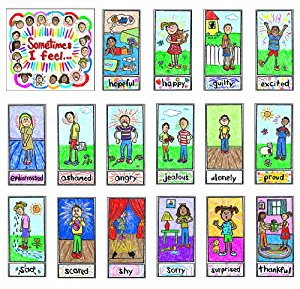
You can also hang a feelings chart so that when you’re working through challenging moments, you can help your child identify what it is that she’s feeling. When you’re reading books or watching TV shows, pause to ask your children how they think particular characters are feeling.
4. Find fun ways to become global citizens, such as food, music, art, and visiting museums.
There are so many different ways you can help children explore other cultural traditions. Once a week or once a month, prepare a meal from another country. You can also visit restaurants serving the same food, but preparing it at home gives you a chance to involve your child. This also increase the likelihood that your children will try the new food!
Kid World Citizen has composed this list of 25 dance-able world music videos.
For arts and crafts, global holidays, and recipe ideas, visit my Global Learning Activities for Children board on Pinterest.
5. Talk about your own culture(s), traditions, and beliefs with your children.
Helping root your children in your family’s culture(s) is part of encouraging them to explore other cultures. As Stacie Nevadomski Berdan puts it, “in order for children to feel comfortable in the world, they must feel comfortable at home.”
For example, our family is Christian. We have many different ways that we teach our child about our faith. I also make sure to point out what our religious traditions are, and talk about ways that they are similar or different from what people of other faiths do or believe. I want to make sure that he does not grow up thinking that everyone does things the way that we do.
6. Travel – even if it’s close to home.
International travel is an amazing way to teach children about the world. Not within your budget (or possibly your stress level) just yet? Find ways to explore other cultures close to home.
Just visiting the Vietnamese grocery store one mile from my home has led us to interesting conversations about languages, food, and likes and dislikes.
Look for cultural festivals in your area. Memphis is not known as a particularly international city, but off the top of my head I can think of festivals in our city celebrating India, Israel, Greece, Italy, and an annual celebration that selects a different African country each year.
7. Make learning another language a priority.
Look for children’s foreign language classes available in your area. If that’s not an option, there are a growing number of foreign language teaching videos, some led by children, on YouTube. See this post on Spanish Playground for a discussion of some of the videos available in Spanish.
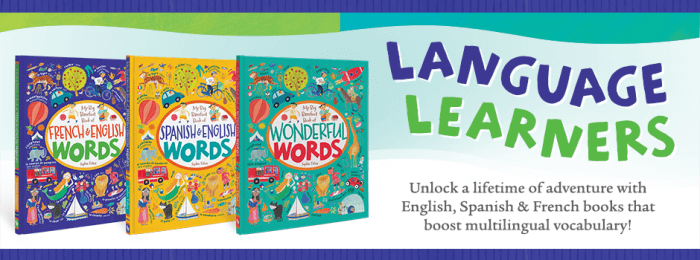
Even if you’re not fluent in another language, you can use bilingual books to learn vocabulary alongside your child. My Big Barefoot Book of Spanish and English Words is especially designed for 2 – 6 year olds, and is also available in a French and English edition.
8. Speak up when you see bias.
Children who are comfortable with other cultures will likely soon notice that not everyone values diversity. The best way to teach them how to deal with prejudice is to point out and confront bias when you see it.
Teach your child statements that can make in the face of prejudiced comments or jokes. “That’s not funny,” or “that’s not true” are simple, but can be powerful.
Your children will inevitably express untrue or prejudiced thoughts at times, no matter how intentional you are in your efforts. Calmly point out factual information so that they can learn without feeling shamed. This parents’ guide from the non-profit Teaching Tolerance has excellent suggestions about how to respond to prejudice for different ages, from preschoolers through high schoolers.
9. Bring books, educational games, and toys into your home that will help your children learn about the world.
In my last blog post, I shared my favorite resources for finding diverse children’s books.
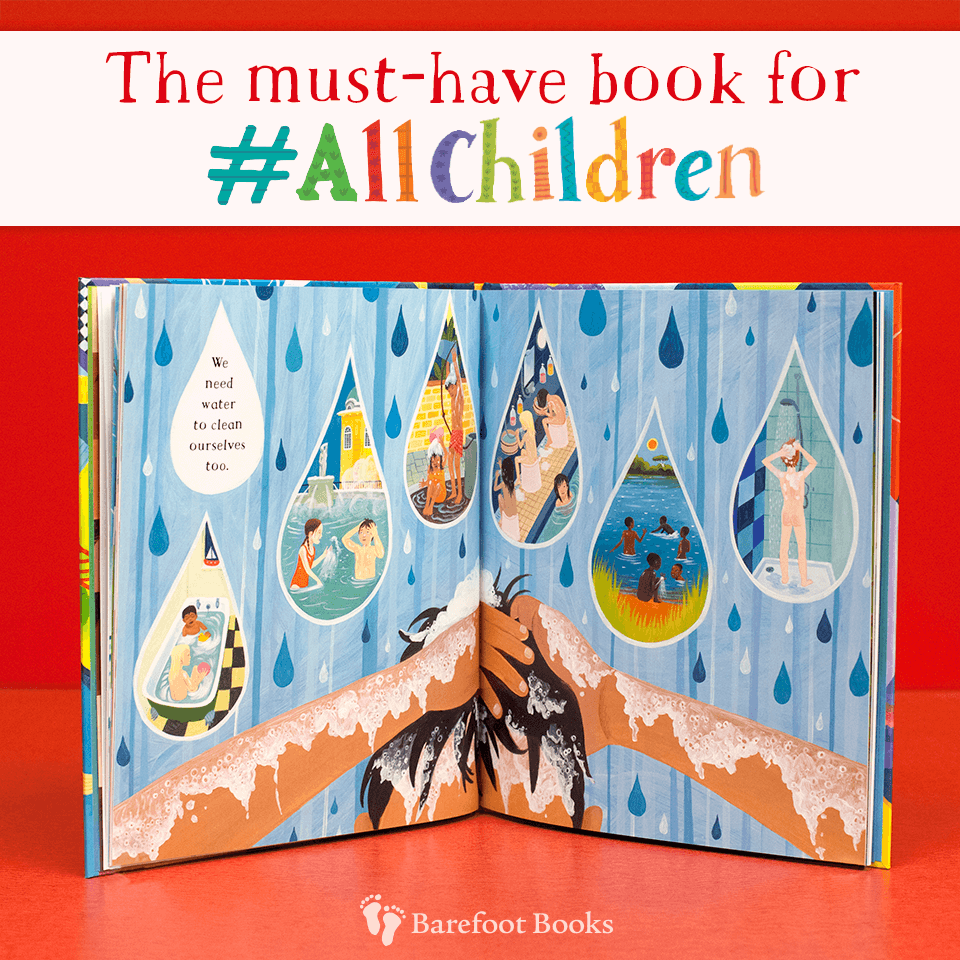
If you have a 3 – 10 year old, I highly recommend having a copy of The Barefoot Book of Children in your home. Its illustrations and straightforward text show how children live all around the world, in a non-stereotypical way.
One of our favorite games that results in us consulting a globe or world map is the Children of the World Memory game. In this matching game, children learn how to say “hello” in 36 different languages.

I’m also a big fan of My Family Builders, a set of magnetic wooden blocks that allows children to build families of many different types.
10. Subscribe to Little Passports, a monthly subscription box for little global citizens
There are few things that excite our son as much as seeing his Little Passports packet hanging out of the mailbox. The first month, he received a colorful suitcase, activity book, world map, and stickers to decorate his suitcase. Then, each month after that he’s received themed packages that include a souvenir (his favorite part), activity booklet, stickers for his map and suitcase, postcards and more.

When he was a preschooler, we subscribed to the Early Explorers edition, which has themes like World Landmarks, Oceans, Art, and Music. Thanks to Early Explorers, my child has an obsession with the Taj Mahal and the Sydney Opera House that I think will last his whole life.
Recently, we switched to the World Edition, which is themed by countries. We’re enjoying going more in-depth into a particular place now that he’s older.
Learn more about Little Passports subscription options for kids ages 3 to 12 here.


4 responses to “Ten Ways to Raise Little Global Citizens”
Thank you for mentioning empathy. Understanding and putting yourself in another person’s skin is the best way to create a stronger picture of the world and the people in it. Travel is important, but learning emotional intelligence is just as significant.
Absolutely Brooke! Emotional and social knowledge is what helps children know how to process what they learn about other cultures.
We love maps and although it is tiring I try, at least try to answer all his curious questions! We are reading the Magic Tree House Series, where the children time travel to other places so we usually refer to the maps to figure where pennsylvania, Japan etc is!
#practicalmondays
Some days certainly have more questions than others, don’t they!