
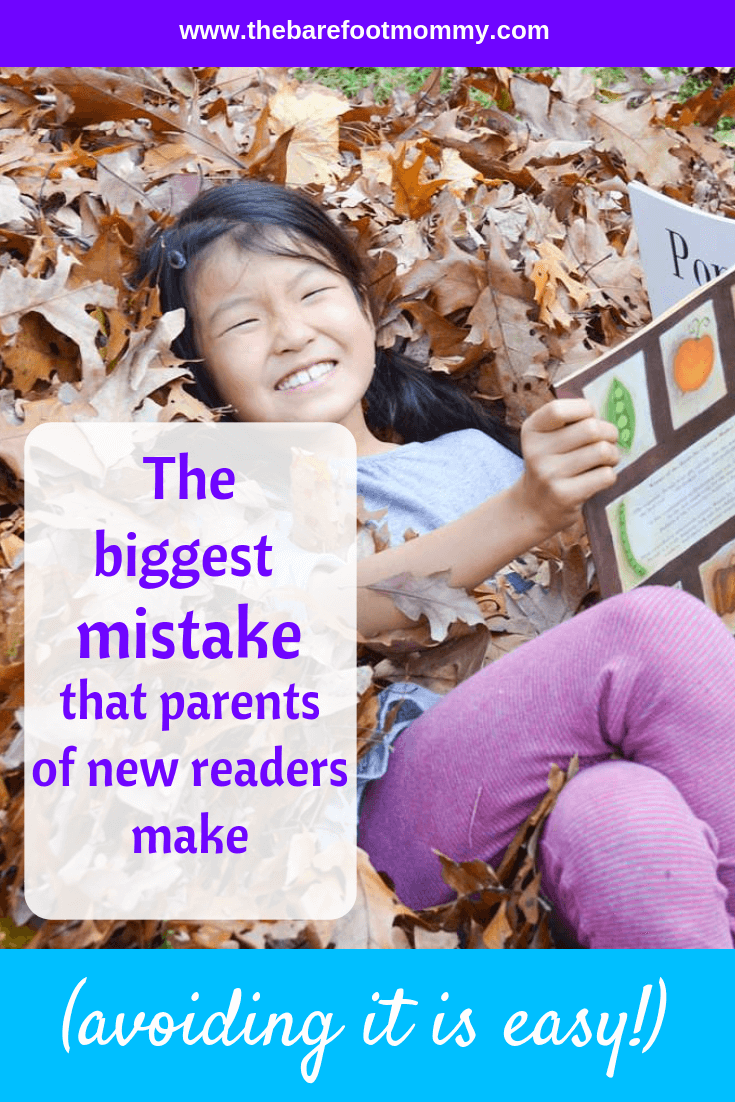
It is so exciting when children begin learning to read. All those years of reading to your children, talking with them, working with the alphabet: they’re finally paying off! You might be thinking, “He needs as much time to practice his new skills as possible. I guess it’s time to switch our nighttime reading from read alouds to independent reading.” I’m here to beg you, please don’t abandon your read alouds! You’re about to make a huge mistake.
Disclosure: For your convenience this post contains affiliate links. If you purchase items through these links, I may earn a small commission at no additional cost to you. You can read my full disclosure policy here.


Why you should keep reading aloud to your child
Reading aloud builds your child’s vocabulary better than independent reading
Children in the early grades can generally read only the vocabulary they already know; they decode the words that they are familiar with. So how can you build your child’s vocabulary? The good news is that children’s listening comprehension is at a higher level than their reading comprehension. For most kids, reading comprehension catches up to listening comprehension at about age 14.
That means that when you choose to read aloud more advanced books to your child than he’s able to read yet, you’re exposing him to all kinds of words that he’s not encountering anywhere else. That’s because books contain many more rare words than we use in conversation.
And in case you’re wondering, yes I am saying that, if possible, you should keep reading aloud to your 12 year old.
You should keep reading aloud to your child because she misses you
As kids get older, they may not express much how they like spending time with you. (I try to remember this when our four year old has plastered himself to me at 4 am because he “I just love you Mommy.” This won’t last forever and some day I will miss it. But could he please not lay on my bladder at 4 am?)
Even if they don’t tell you, your time reading together is probably something your child really enjoys. Last year, a national survey by Scholastic found that 83 percent of children ages 6 – 17 “loved” or “liked a lot” the times when their parents read aloud to them. Yet less than 1 in 4 of kids ages 6 – 8 said they were read aloud to at home. Four in ten children who were ages 6 – 11 said they wished their parents had continued to read aloud to them rather than stopping.
The other thing that is so great about reading together as your child gets older is that you can share more complex books that both of you are likely to enjoy. What a great opportunity for bonding over your shared love of a book!
You should keep reading aloud because beginning readers are boring
There, I said it. If all you ever got to read or hear were beginning phonics-based books, would you enjoy reading? Probably not. I remember my sister-in-law being distressed when my niece was in first and second grade and didn’t want to practice her reading. When I saw the books her class was reading from, I understood why. Nothing interesting was happening between those pages! By the way, at age 14, my niece loves to read; she made it through the boring, hard work that has to happen in the early grades.
The most important factor in children learning to read well is whether they read on a regular basis. So you absolutely should be setting aside time for them to read independently at each age. The danger for early readers, though, is that the books they are able to read are somewhat of a chore. If these are the only books they’re exposed to, they may start to believe that all reading is boring.
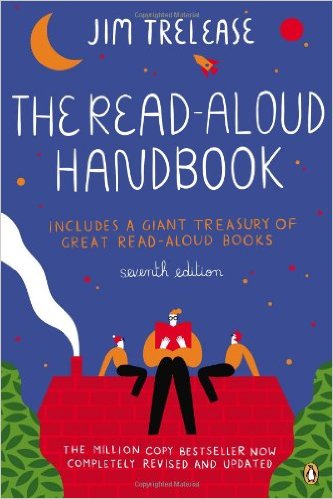
As Jim Trelease writes in his fantastic book The Read Aloud Handbook, “we must take care that children’s early encounters with reading are painless enough so they will cheerfully return to the experience now and forever. But if it’s repeatedly painful, we will end up creating a school-time reader instead of a lifetime reader.”
Read aloud time is your best chance to remind a beginning reader just how magical books can be!
So, what should you be reading aloud?
As a parent, you know best what types of books your child will enjoy and respond to. Always let that knowledge of your particular child be your guide. That said, if you want to build vocabulary and your child’s interest, choose books that are a couple of grade levels ahead of where your child can read on his own. Keep in mind that books like The Cat in the Hat, where the vocabulary is controlled for words a beginning reader can decode, is probably not the best choice for your read alouds if your child can read that book on her own.
On the other hand, not every book for an older grade level may fit with what your child is ready to handle socially and emotionally right now. Make sure to read the book in advance for any potential pitfalls. If you don’t have time for that, there are many great sources of children’s book reviews for elementary aged reads. One of my personal favorites are the book lists on the blog What Do We Do All Day?
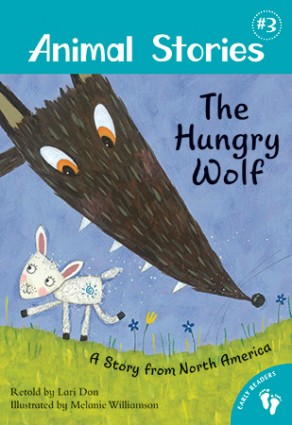
If your child is ready to hear chapter books aloud, go for it! I’ve found that our four year old already enjoys Barefoot Books’ short chapter books, such as The Hungry Wolf and The Mother of Monsters. At the same time, please don’t judge a book by its format. Children of all ages (even teenagers) can enjoy a good picture book. There are also many picture books out there that are more complex in vocabulary, plot, and life lessons than some of the chapter books available (I’m looking at you Pinkalicious!)
What if my child says he doesn’t want to be read to anymore?
Clearly, forcing your child to be read to is a situation you want to avoid. Read aloud time should be a pleasurable time, not a time of obligation. Before you give up, trying different reading material, such as non-fiction or magazine articles. Perhaps a time when the entire family gathers together to hear an engaging, fast-paced, or funny book read might appeal to your child more.
I’ll close with a lovely anecdote from Trelease’s book about The Brozina family. Dad Jim was a school librarian who read aloud to his students and his children daily. In the 4th grade his daughter Kathy declared that she just wanted to read by herself. His younger daughter Kristen still loved to be read to, so he continued with her.
When Kristen entered fourth grade, Jim grew nervous. Not wanting their read aloud time to end, he asked Kristen if she thought they could set a record and read for 100 night straight. When they reached 100 nights, Kristen suggested they try for 1,000. They never missed a night, even in the midst of a divorce and a car accident. Their read aloud streak only ended when Kristen moved into the college dorm. The experience was so important to her that she published a memoir, The Reading Promise: My Father and the Books We Shared.
Do you read aloud to children who are reading on their own? What tips or favorite books do you have to share? Tell us in the comments!
