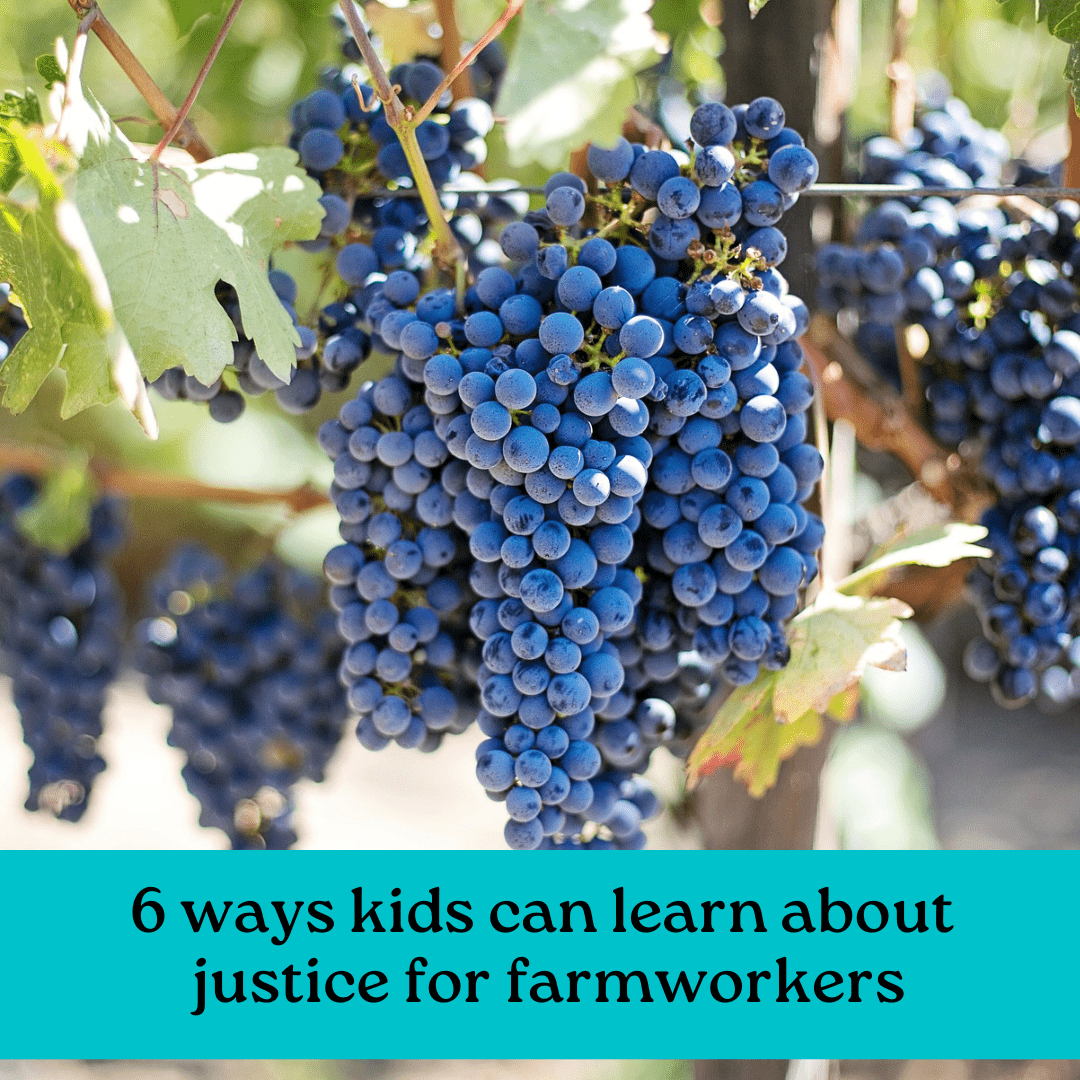
Farmworkers are one of the most ignored groups of people in U.S. society. Their labor and their contributions to our lives are taken for granted. Farmworkers’ human rights have been abused throughout American history, and they still are today.
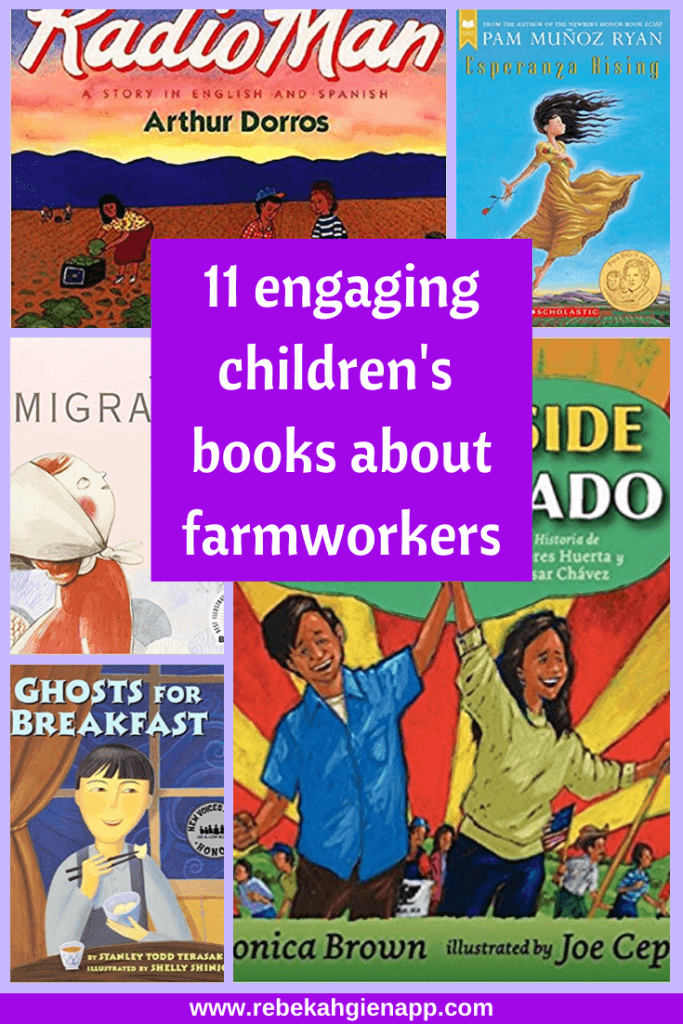
The good news is that there are many things that people, including kids, can do to support farmworkers’ rights. In this post, I’m sharing 6 ways parents and teachers can build on children’s curiosity about where their food comes from to build a commitment to justice. Keep reading for ways kids can learn about farmworkers (including helpful children’s books) and take action with them.
Note: Originally, this post recommend the book Side by Side: The Story of Dolores Huerta and Cesar Chavez. I have removed this recommendation after relevations that Chavez sexually assaulated multiple girls and women.


Disclosure: For your convenience, this post includes affiliate links. If you purchase items through these links, I may earn a small commission at no additional cost to you. You can read my full disclosure policy here.
Honor the hands that harvest your crops: 6 ways kids can learn about farmworkers’ rights
Dolores Huerta, co-founder of the United Farm Workers union, once gave simple but profound instructions: “honor the hands that harvest your crops.” Everyone who eats (and who doesn’t?) depends on the labor of farmworkers. So we have a special obligation to speak up with farmworkers who are calling for justice.
1. Read one of these 11 children’s books about farmworkers
Help kids develop empathy and solidarity by reading one of these books about farmworker children and farmworkers’ struggle to uphold their rights.
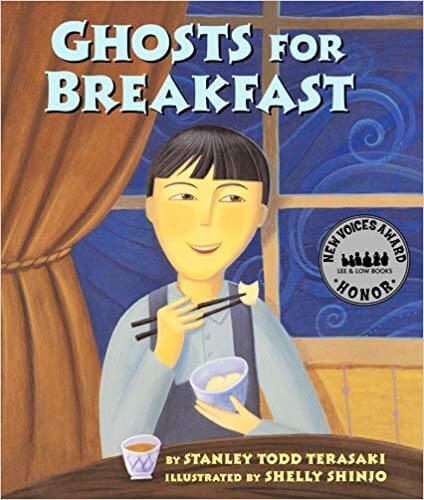
Ghosts for Breakfast by Stanley Todd Terasaki and Shelly Shinjo
Did you know that in the 1920s, a significant number of farmworkers in California were Japanese American? Stanley Todd Terasaki was inspired by his father’s childhood to write this delightful (not really scary) ghost story. When Mr. Ono, Mr. Omi, and Mr. Omaye show up sure that they saw ghosts in Farmer Tanaka’s field, Papa is determined to show his son that there’s nothing to be afraid of. (Recommended for ages 5 – 9)
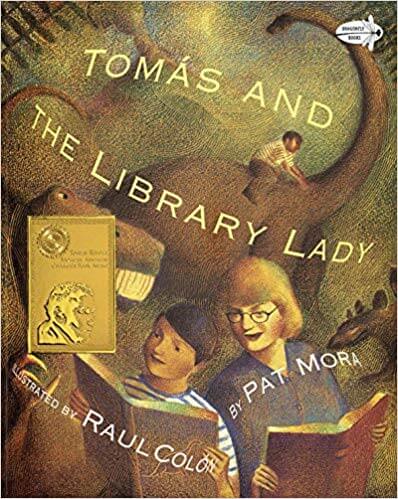
Tomás and the Library Lady by Pat Mora and Raul Colón
Tomás and his family spend their winters picking fruits and vegetables in Texas, and their summers working for Iowa farmers. At the start of an Iowa summer, Papá Grande (Tomás’ grandpa) realizes that Tomás has memorized all the stories he tells. He lets Tomás know that there are more stories at the library. There Tomás meets a kind librarian, who checks books out for him each week on her library card. He loves reading the stories to his family in English and re-telling them in Spanish.
The story was inspired by the life of the former chancellor of the University of California at Riverside, Dr. Tomás Rivera. His love of reading was sparked by a librarian in Iowa when he was a young migrant worker. (Recommended for ages 4 – 8)
Related Post: The Best Children’s Books about Workers’ Rights

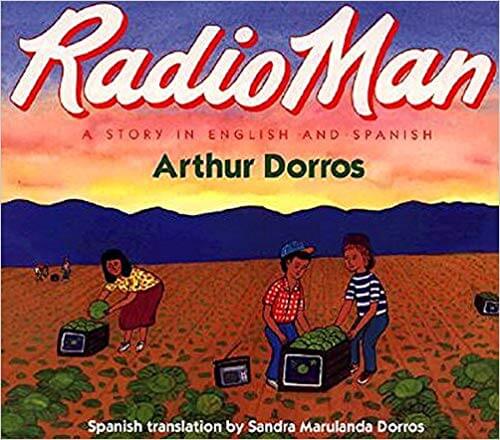
Radio Man by Arthur Dorros and Sandra Marulanda Dorros
Close friends Diego and David have to part ways when the cabbage harvest, as “heavy as elephants,” is finished. In each new place they go to work, Diego loves discovering the local Spanish language radio station that farmworkers listen to. He also looks out for David, knowing that his family could end up working at the same farm as Diego’s. Finally, Diego realizes that his love of the radio might just help him reunite with his friend. (Recommended for ages 5 – 9; bilingual English-Spanish.)
 Migrant by Maxine Trottier and Isabelle Arsenault
I had no idea that there are Mennonites from Mexico who travel to Canada each summer as migrant workers. Migrant allows children to peek into their world through the eyes of Anna. Anna thinks of her family being like a flock of geese, going back and forth. She wonders what it would be like to instead be a tree, rooted in one place. (Recommended for ages 3 – 7).
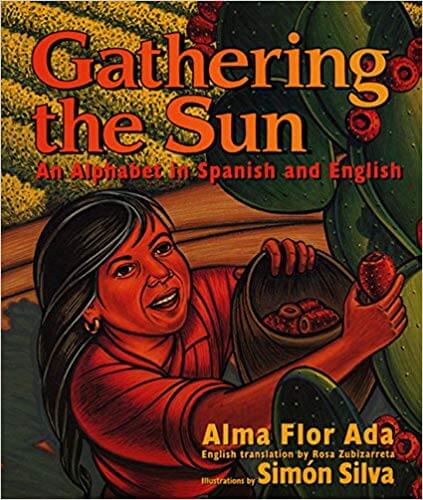
Gathering the Sun: An Alphabet in Spanish and English by Alma Flor Ada, Simón Silva, and Rosa Zubizarreta
Ada’s poetic words and Silva’s moving artwork capture the dignity, pride, and joys of a Mexican-American farmworker family. One of my favorite entries is for W: “FarmWorkers is the name we give to the people who work the land, who harvest the fields, united beneath one sky. Thank you, farmworker, for the fruits your hands have brought me. I will grow stronger and kinder as I eat what you have grown. ” (Recommended for ages 4 – 9; bilingual Spanish-English.)
Related Post: 11 Children’s Books about Immigrants and Refugees
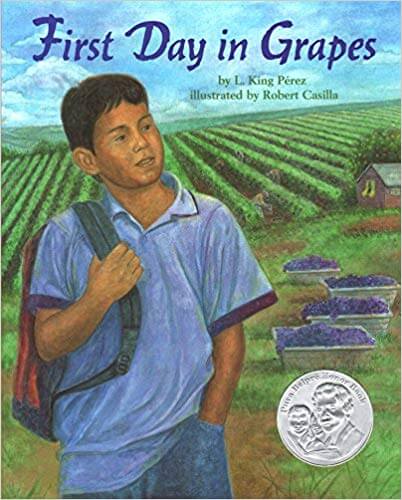
First Day in Grapes by L. King Pérez and Robert Castilla
This is my favorite picture book on this list (don’t tell the others I was playing favorites!) Chico’s family has just arrived at a new camp, this time to work in grapes. Chico doesn’t want to go to school, where he’s sure some of the kids will make fun of him. He wonders why Mamá insists that he goes to school, when he wants to be race car driver. And why does she stand him up tall each day before he heads out to school?
Chico’s first day brings many small surprises. His seatmate John is friendlier than kids have been at other schools, and his teacher is impressed with Chico’s quick math skills. But when mean older kids pick on him with jokes about his family, Chico suddenly realizes why Mamá stands him up so straight. He knows just what to say to the bullies. (Recommended for ages 6 – 10)

Calling the Doves by Juan Felipe Herrera and Elly Simmons
Herrera remembers his childhood as a migrant farmworker in this collection of lushly illustrated poems in Spanish and English. While adults are likely to notice the hardships and poverty his family faced, Herrera’s perspective as a child is different. The dirt patio where he takes outdoor baths “was a sand colored theater where I learned to sing.” He remembers his parents’ talents, from his father’s ability to draw doves to him with song, to the lengthy poems his mother recites. (Recommended for ages 6 – 10; bilingual English and Spanish.)

La Mariposa by Francisco Jíménez and Simón Silva
This autobiographical story gives children an understanding of what it’s like to go to school where almost no one speaks your language. Trying to listen to his teacher speak English for hours on end gives first grader Francisco a headache. But one day, he discovers that if he imagines himself flying, going to see his father in the fields, his head does not hurt so much. Art is Francisco’s favorite subject, and he especially loves making a detailed drawing of a butterfly (mariposa).
In a related read, I love Jíménez’s book The Christmas Gift, also based on his childhood. The print edition is out of print, but your local library may have a copy.
Related Post: How to stand up for immigrant rights with your kids

Esperanza Rising by Pam Muñoz Ryan
This middle grades novel, set in the 1930s, was inspired by the life of Muñoz Ryan’s grandmother. When her family fell on hard times, she had to leave a life of privilege as the daughter of a Mexican rancher to become a farmworker in the United States.
When Esperanza’s father is ambushed and killed by bandits, her fairy tale life quickly falls apart. Her father’s brothers, who never liked Papa or his egalitarian notions, burn down the ranch after Mama refuses one of the uncle’s marriage proposal. Through careful plans made with Alfonso and Hortensia, who are the heads of Papa’s household staff, they make plans to travel in secret to the United States.
While Mama understands that their lives must change dramatically in order to be free of the uncles, Esperanza finds change much harder. Soon though, Esperanza can see how much Mama, Alfonso, Hortensia, and the other farmworkers who befriend her need to grow up and accept her new life.
I loved the way the author weaves a compelling personal story for Esperanza, while also introducing readers to the struggles of 1930s farmworkers, including efforts to unionize and the mass deportations of U.S. citizens of Mexican descent. (Recommended for ages 9+)
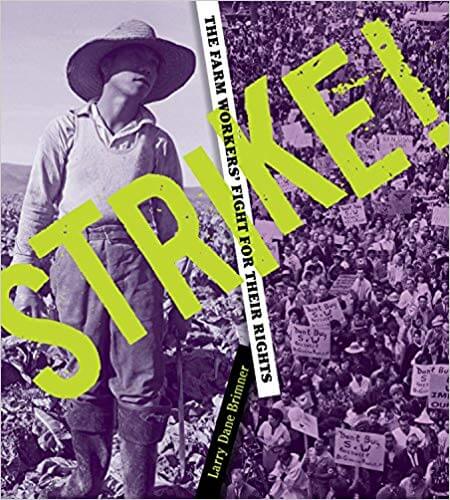
Strike! The Farm Workers’ Fight for Their Rights by Larry Dane Brimmer
When Filipino farm workers in Delano, California went on strike at the beginning of the grape harvest in September 1965, the growers at first were not that worried. For years, they had managed to pit Mexican, Filipino, and Mexican American farmworkers against each other, so that everyone received poverty wages and terrible working conditions.
But this strike would prove to be different. Larry Itliong, who led the Filipino workers’ Agricultural Workers Organzing Committee, was joined by César Chávez and his fledging union of Mexican farmworkers. Tens of thousands of farmworkers joined the strikes over the next five years. People across the United States supported their demands by boycotting grapes.
This generously illustrated book introduces teen and tween readers to all the important people and events of the fight for justice in the fields by California farmworkers. (Recommended for ages 10+)
2. Remember farmworkers and their struggles in your table blessings
If your family prays before meals, acknowledging farmworkers’ labor is a powerful witness for your children. In addition to being thankful for their work, your family can pray that your own commitment to seek justice with farmworkers grows.
This resource from Rural and Migrant Ministry has prayers you can use (starting on page 7.) A simple prayer that our family uses is “God we thank you for this food, and for all the hands who helped prepare this meal. May this food give us strength to work for justice for all people, especially the farmworkers who picked these fruits and vegetables for us.”
3. Honor farmworker-led boycotts
When you’re learning about boycotts of companies that pay poor wages or mistreat workers, it’s important to find out whether workers’ themselves have called for a boycott. My worker rights mentor and former farmworker organizer, Leone Bicchieri, taught me this years ago. Deciding to strike or call for a boycott is a very difficult decision for farmworkers to make, because it can lead to a lot of short-term financial harm.
As I write this (in March 2019), the widest reaching farmworker boycott in the United States is the Coalition of Immokalee Workers’ boycott of the fast food chain Wendy’s. The CIW’s website has additional ways to support the boycott beyond refusing to eat at Wendy’s until they join the Fair Food Coalition.
I have found that when I ask my 6 year old to make sure that we stick to a rule about making ethical purchases, he’s really good at reminding me! Young children are very rules-oriented (especially when it means they get to tell you what to do.) So, if you’re participating in a boycott, take time to talk with your children about it. Ask them to help you remember to honor that boycott.
The National Farm Worker Ministry works with each of the U.S. farmworker unions. You can keep up to date on current boycotts and other action opportunities through their website.
Related Post: 7 Ways Your Family’s Everyday Purchases Can Fight Poverty
4. Contact your elected officials
Part of the reason farmworkers are treated so poorly in the United States is that they don’t even have the same legal rights as other workers. For example, farmworkers don’t receive overtime pay because they are exempted from the Fair Labor Standards Act.
Even young children can help you write a family letter to your members of Congress, calling on them to strengthen farmworkers’ legal rights. Ask your kids if they’d like to sign their names, write a sentence, or include a drawing. I have a kid-friendly letter writing template that you can download in my free Resource Library (use the form above to access it.)
Older kids, or those who are more extroverted, can make phone calls, write emails, or send texts through tools like Resist Bot about farmworker legislation.
5. Watch videos about farmworkers’ rights
There are lots of short video clips available where farmworkers (and their kids) talk about their struggles for justice, as well as the history of farmworker organizing. Here are a couple of recent ones that older elementary kids can understand.
My Freedom Day from Coalition of Immokalee Workers on Vimeo.
Dolores – Trailer from ro*co films on Vimeo.
6. Raise money for farmworkers rights organizations
Farmworker unions, and allied groups that organize the community in support of farmworker rights, generally operate on a shoestring budget.
After your child has learned about farmworker struggles, ask them if they’d like to help by raising money for one of these groups. They could make and sell something through a lemonade stand or bake sale.
Another option is to choose some treat that your family will give up for a certain period of time (for Christians, Lent is an ideal season for this. For young kids, you may need to do a shorter period, like one week.) Donate the amount of money you saved to a farmworker union.
One response to “6 Ways Kids Can Learn about Farmworkers and Support their Rights”
Dear Rebekah,
I just found this today and am very interested in your work. Would love to talk to you about this at some point. I have a network of folks who would appreciate your work. Thank you for seeking to teach children.