
In every place and time, no matter how much injustice and oppression have been present, there have been people pushing back against it. It is often young people who are leading the way in this work. Read on to discover four different youth-led justice movements who will inspire kids, teens, and adults to work for positive social change.


This post includes affiliate links. If you purchase items through these links, I may earn a small commission at no additional charge to you. You can read my full disclosure policy here.
Central York High School students rally against book bans
In the fall of 2021, high school student Edha Gupta learned that her Pennsylvania school district was banning the use of more than 300 books and articles related to diversity, equity, and inclusion. These resources had been recommended by the district’s diversity committee in the wake of George Floyd’s murder and the nationwide protests for racial justice.
Gupta had never felt like the school reading lists were representative of the experiences of students of color like her. Along with Christina Ellis, Olivia Pituch, and other students and teachers, she formed the Panther Anti-Racist Union.
The group started with protest within their school, with students wearing black on the Friday after the ban was announced. Later, they protested outside of the school and spoke at school board meetings about the censorship. Eventually the school board reversed the ban on the 300+ resources.
Christina and Edha’s TedEx talk has inspired other young activists to start their own justice movements pushing back against book bans in their communities.
Learn more about student-led justice movements for the freedom to read:
Read “Students Against Book Banning” in Jamia Wilson’s book Make Good Trouble: Discover Movements That Sparked Change (recommended for ages 8 – 12.)

For ages 6 to 10, The Great Banned Books Sale by Aya Khalil is a great introduction to this topic.
Related post: How you can fight book bans
Oceti Sakowin youth run to protect their water
As the justice movement against the building of the Dakota Access Pipeline grew in 2016, Oceti Sakowin youth were at the forefront. Thirteen-year-old Anna Lee Rain Yellowhammer started a petition on Change.org that went viral. When young people started the activist group Rezpect Our Water, youth like 12-year-old Tokata Iron Eyes helped make videos to spread the word.
Looking for off-line ways to build support for their petitions, young people decided to carry out an eleven-mile relay race around the Sacred Stone Camp that water protectors had formed. They then took on a much bigger race, 564 miles long, that ended at the Army Corp of Engineers in Omaha.
When they arrived in Omaha for their scheduled appointment with Colonel John Henderson, the youth were stood up. That didn’t deter them, and they carried out an even more ambitious relay race to Washington, DC.
While they were still running, the news broke that the Army Corps of Engineers had approved the pipeline’s construction. Still, the runners continued, speaking out to reporters and local communities as they continued their race.
Learn more about youth-led justice movements for the clean water:
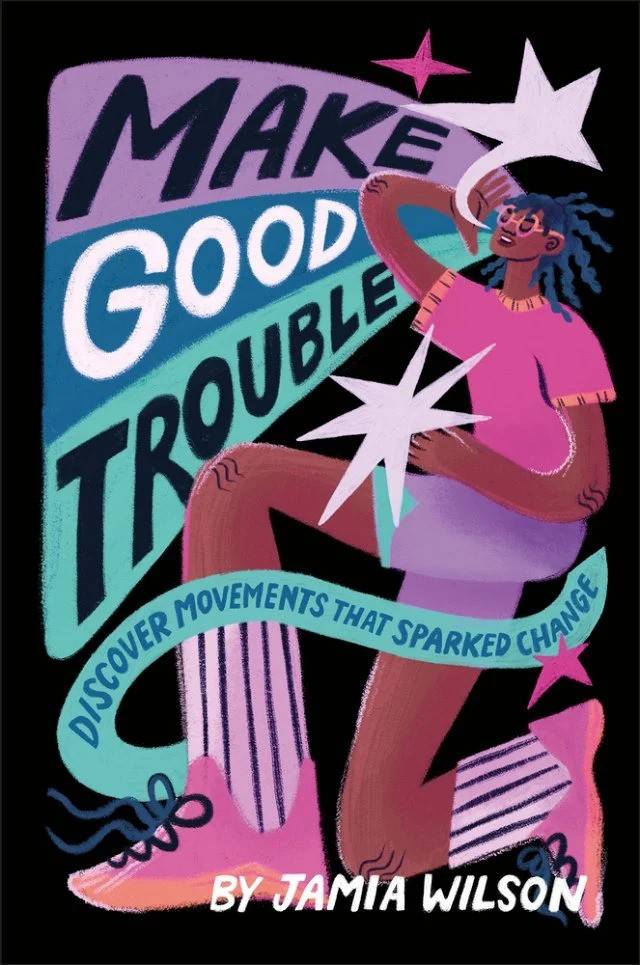
Read “Little Miss Flint Tackles the Water Crisis” and “Young Water Protectors’ Pipeline Protest” in Make Good Trouble (recommended for ages 8 – 12.)
Michael G. Long has an in-depth chapter on the NoDapl water relay runners in his book Kids on the March: 15 Stories of Speaking Out, Protesting, and Fighting for Justice (recommended for ages 10 – 14.)
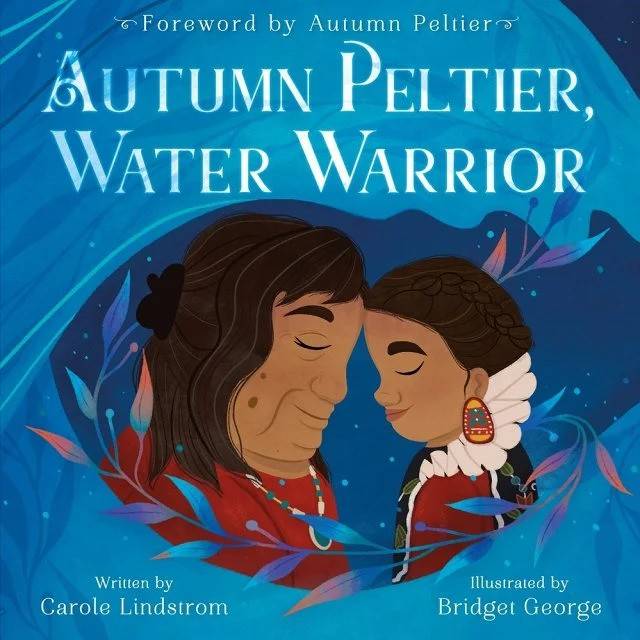
For children ages 4 to 8, read Autumn Peltier, Water Warrior by Carole Lindstrom. is a beautiful introduction to Indigenous water protectors.
Related post: Kid activists in U.S. history (and the children’s books that tell their stories)
Explore more books for children and teens about youth-led justice movements, from the past and present!
Youth across the U.S. lead marches for racial justice in the wake of George Floyd’s murder
When police officer Derek Chauvin killed George Floyd in May 2020, Black Lives Matter protests erupted across the country. Berkeley High School student Shayla Avery was disappointed that some of her teachers weren’t saying anything about what happened.
Avery and two of her classmates began organizing a march to not only protest Floyd’s murder, but also Breonna Taylor’s and all Black people who had been unjustly brutalized by police. The students also pushed for more school instruction on Black history, culture, and justice issues. Hundreds of people joined the Berkeley march, which included eight minutes and 46 seconds of complete silence to mark the length of time police officers pinned Floyd to the ground with a knee on his neck.
In Nashville, Tennessee, a group of six teens who mostly knew each other through online connections, organized a march that thousands of people participated in. (See a video interview of the group here.)
Learn more about youth-led action for racial justice:
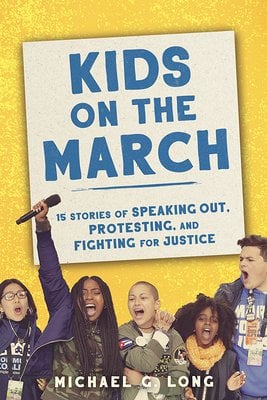
Read the chapters “Justice for Trayvon” and “The George Floyd Protests” in Kids On the March (recommended for ages 10 – 14.)
Read “Justice for George Floyd” and “Dream Defenders” in Make Good Trouble (recommended for ages 8 – 12.)
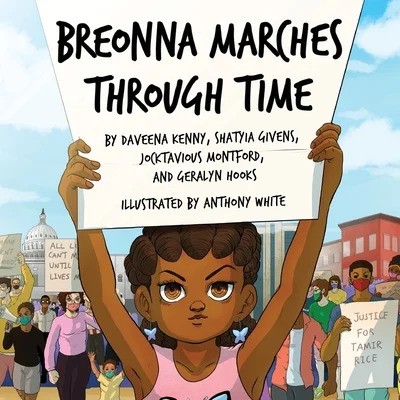
Breonna Marches Through Time addresses movements for racial justice and to stop police brutality. It was written by youth who are part of Reach International. (Recommended for ages 6 – 10).
Related post: Books to help kids and teens understand Black Lives Matter
“Undocumented and Unafraid:” Immigrant youth build a justice movement
When President Obama created the Deferred Action for Childhood Arrivals (DACA) program, it changed the lives of undocumented children and youth. Young people who met the program’s criteria now had a path to legally studying and working in the United States. While it fell far short of the real immigration reform that was needed, it was the most significant program positively impacting undocumented people in decades.
As the Supreme Court prepared to hold hearings about DACA’s constitutionality, undocumented teens and young adults organized school walkouts and a march to the Supreme Court. Sixteen-year-old Valeria led a walkout from Benjamin Banneker High School, and spoke at the rally:
“Home is here! My parents deserve to be here. They should not have to live in fear every day…It is our duty to fight for our freedom. It is our duty to win. We must love and protect one another. We have nothing to lose but our chains.”
While the future of the DACA program is unclear, young immigrants and their allies will continue to fight.
Learn more about youth-led immigrant rights work:
Read “Marching for Dreamers” in Kids on the March (recommended for ages 10 – 14.)

The bilingual book For All/Para Todos is a good introduction to organizing for immigrant justice for ages 5 to 9.
Related post: 10 ways parents and educators can support immigrant families
