
Growing up, the only books I read that included American Indians were filled with ugly stereotypes. (I’m looking at you, Laura Ingalls Wilder.) I’m so glad that today, there are a growing number of books for children that are written by Native American authors.
To accompany my earlier list of 20 #ownvoices picture books about Native Americans and First Nations peoples, today I’m sharing books written for children in grades 5 – 8.
Before I share the books, a quick note about terminology. I’m not Native American, but I’ve read a number of Native authors who say that there is no consensus among indigenous people in the United States about whether the term Native Americans, American Indians, or indigenous people is preferred. What is clear is that it’s best to be specific about a person or story’s particular nation or tribe (i.e. Chickasaw, Ojibwe, Nambe Pueblo, etc.)

Eight middle grade novels about American Indians
Disclosure: For your convenience, this post includes affiliate links. If you purchase items through these links, I may earn a small commission at no additional cost to you. You can read my full disclosure policy here.


Indian No More by Charlene Willing McManis with Traci Sorell
Purchase from Bookshop (supports independent bookstores)
Few non-Native people know about the federal government dissolved the governments of Native American tribes in the 1940s – 1960s. Relocation programs moved many American Indian families from rural reservations to large cities in an attempt to assimilate them.
Children can now learn about that time through McManis’ moving novel Indian No More. Regina’s family has always been Umpqua and lived on the Grand Ronde Tribe’s reservation, located in Oregon. When her tribe’s government is dissolved and the family moves to Los Angeles, family members have different reactions to the changes.
Her father is hopeful that they’ll be able to move out of poverty, and that he’ll be treated with respect. But both Regina and her father face racism and stereotypes from people whose only knowledge of American Indians comes from western movies.
Regina’s grandmother tries to remind her that she is Umpqua no matter where she lives. She often tells Regina traditional stories from their culture. Yet Regina can’t stop wishing that they could just return home.
Note: There is a scene in the book where the n word is used, though the adults in the book make it clear why this is a hateful word. (#ownvoices, recommended for ages 8 – 12)
Related post: 15 Indigenous children’s books set in the present day


Rain Is Not My Indian Name by Cynthia Leitich Smith
Purchase from Bookshop (supports independent bookstores)
After her best friend Galen dies in a car accident, Cassidy Rain Berghoff decides she’s not interested in interacting with the rest of her small Kansas town. Her aunt Georgia wants her to participate in a youth Indian Camp she’s put together, but that would involve leaving the house every day. It’s only after Galen’s mom wages a community campaign against the camp that Rain decides to come out of her isolation.
Like all of Cynthia Letitich Smith’s books, this novel challenges stereotypes about what it means to be Native American. It also raises questions about how young indigenous people can embrace their heritages in a society oriented to whiteness. (Recommended for ages 10 – 14)

The Birchbark House by Louise Erdrich
Purchase from Bookshop (supports independent bookstores)
This is the series I wish I could have read as a child instead of Little House on the Prairie. (Erdrich’s novels for adults are amazing as well!)
Omakayas and her family live on the Island of the Golden Breasted Woodpecker in a small Anishinabeg village in Wisconsin. As the story opens in 1847, Omakayas’ main problems are dealing with her annoying needy little brother and having to do the smelly work of tanning a moose hide. She loves taking care of the new baby, Neewo, though her mother doesn’t trust her to watch him on her own yet.
For a time, Omakayas, her parents, her Nokomis (grandmother), and her siblings go about daily life. The chapters follow the seasons, as the family builds a birchbark house for summer, harvests rice in the fall, and moves into a log home for the winter. But when a visitor brings sickness with him, life changes forever for the girl and her family. (Recommended for ages 8 – 12. Ojibwe author.)

In the Footsteps of Crazy Horse by Joseph Marshall III and James Mark Yellowhawk
Purchase from Bookshop (supports independent bookstores)
Both white and Lakota classmates alike tease Jimmy McLean. With blue eyes and light brown hair, others question whether he’s really Lakota. Jimmy’s grandfather tells him that there was once a great Lakota leader who also had brown hair and light skin: Crazy Horse. Grandpa suggests that they take a journey this summer, to visit all the important places where Crazy Horse made history.
There are few books that tell children important events in U.S. history from Native American perspectives. This slim novel does that in an incredibly engaging way. Marshall doesn’t sugarcoat the violence of this history, but he also tells these stories in a way that’s appropriate for tweens and teens. What was most meaningful to me was watching the ways that Jimmy changes as he learns the history of his people. (#ownvoices, recommended for ages 10+)

How I Became a Ghost by Tim Tingle
Purchase from Bookshop (supports independent bookstores)
In this award-winning book, a Choctaw family makes a harrowing journey on the Trail of Tears. Readers learn right from the start that Isaac, the 10 year old narrator, does not survive these travels.
Isaac warns people who wish they could see things before they happen that this is not as good as it sounds.
When Isaac begins to see ghosts, he realizes that he and others from his community will die. But Isaac doesn’t let this stop him from doing what he can for his family and others. Other ghosts help him see what how he can help his people resist, both before Isaac dies and after. (#ownvoices, recommended for ages 10 – 14)

Chickasaw Adventures: The Complete Collection by Tom Lyle
Purchase from Bookshop (supports independent bookstores)
Last summer, my family took a trip to Oklahoma to learn about the Chickasaw Nation, since we live near their traditional homelands. At a gift shop, I discovered a handful of comics that told the story of key events in Chickasaw history. I hurried home ready to recommend them to others, only to discover they were out of print.
This fall, to my delight, Chickasaw Press combined all the volumes into a book, plus a few others that had never been released.
Johnny, who lives in the present day, doesn’t understand why his Grandfather tells so many stories about the Chickasaw people. That’s before Johnny finds himself transported into the past, where he watches Chickasaw leaders shrewdly deal with the demands of Hernando De Soto. When Johnny returns to the present day, he has a new appreciation for his Grandfather’s stories.
Each chapter takes Johnny to a new historical event, including the battle against the French at Ackia, forced relocation to Oklahoma, and the parceling up of the Chickasaw’s lands in Oklahoma. (#ownvoices, recommended for ages 8 – 12)
Related Post: Learning Native American history with #ownvoices books from Chickasaw Press

Indian Shoes by Cynthia Leitich Smith
Purchase from Bookshop (supports independent bookstores)
I love how this sweet chapter book busts stereotypes about American Indians while making kids laugh at the sticky situations Ray Halfmoon gets himself into. Ray, who is Seminole-Cherokee, knows that Indian shoes can be beaded moccasins or high top sneakers.
My kid especially loved the chapter where Ray is the ringbearer at a family wedding. When his tuxedo pants disappear, he and Grandpa Halfmoon have to think of a solution quick! (#ownvoices, recommended for ages 7 – 11)
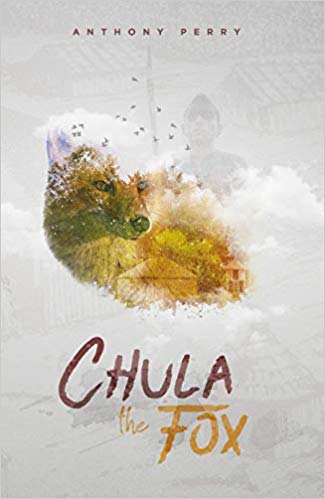
Chula the Fox by Anthony Perry
Purchase from Bookshop(supports independent bookstores)
It’s not easy to write a historical novel that incorporates detailed Native American history and culture, while also keeping up a pace that will hold tweens’ interest. I believe Anthony Perry has done an excellent job at both of these in Chula the Fox, set in the Chickasaw homelands in the 1700s.
When his father and 5 other Chickasaws die in a surprise Choctaw raid, young Chula knows he must avenge his father. Chula feels almost responsible for his father’s death. That’s because he failed to tell his father that he saw a biskinok bird, an omen of danger, while he was out hunting. The attack happened soon after he saw the biskinok.
As the elders and warriors of the tribe discuss how they will respond to the Choctaw attack, Chula is eager to take part in a raid of the village that attacked them.
Related Post: 8 ways to observe Indigenous Peoples Day with children
As his Uncle Lheotubby prepares Chula to take part in the raid, he reminds the young man that much more than bravery and skill will be needed. Lheotubby warns Chula that pride is his greatest threat. It’s a lesson Chula soon learns when he gets into a fight with another boy from his village and both almost miss their chance to participate in the raid.
I don’t want to give away too much of the plot of the book, but I will say that what Chula learns about himself by the end of the book brought tears to my eyes. (#ownvoices, recommended for ages 10 – 14)
For a large variety of thorough reviews of books about Native Americans (including books that are not recommended), visit American Indians in Children’s Literature.