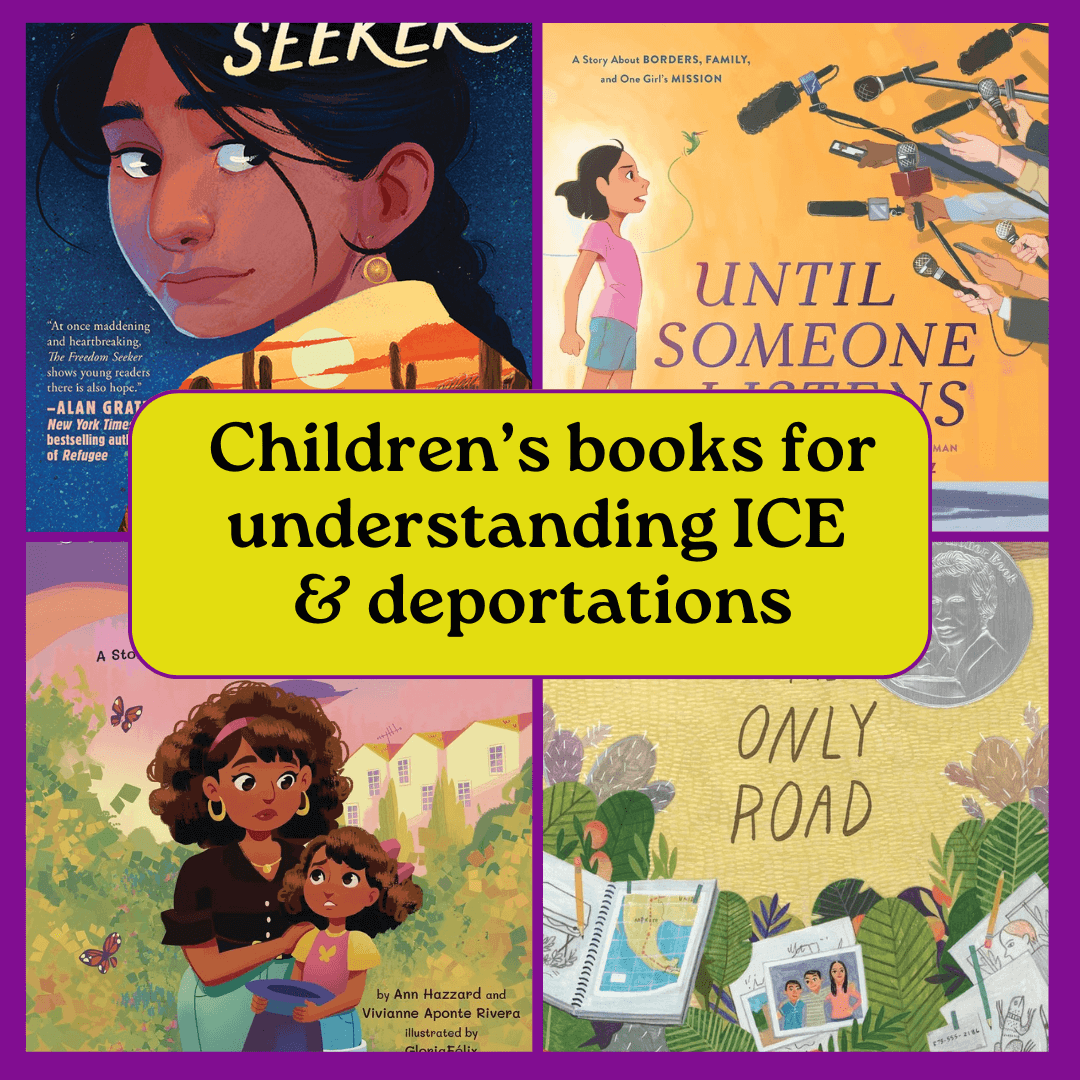
As you watch the horrific images of ICE agents terrorizing immigrants and U.S. citizens alike, you may be wondering how to talk to the children you cherish about it. Children’s books can be an incredible resource for these conversations, especially when we offer scaffolding that helps kids understand migration as a normal and natural process. In this post, I offer children’s books about deportation, migration, ICE, and immigration enforcement for all ages.
If you’ve not already had discussions with children about the reasons that people migrate, as well as some history of immigration in the United States, I highly recommend you start there. Then you can move on to understanding experiences of family separation, detention, deportation, and resistance to ICE’s brutality. (Don’t worry, I’m giving you suggested books for each of those categories!)
Be sure to check out my family-friendly immigration resource guide for conversation tips, more recommended books, and a glossary with kid-friendly language.


Disclosure: For your convenience, this post contains affiliate links. If you purchase items through these links, I may earn a small commission at no additional cost to you. You can read my full disclosure policy here.
Children’s books about why people migrate
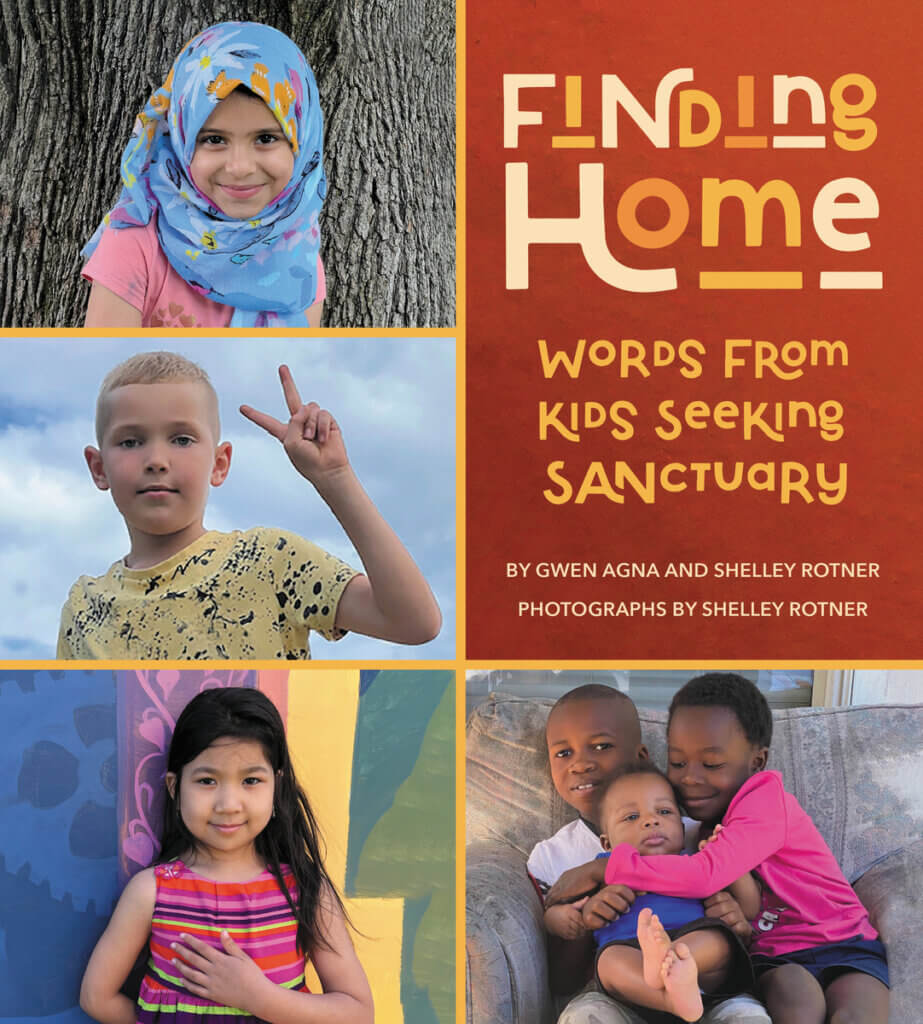
Finding Home: Words from Kids Seeking Sanctuary by Gwen Agna and Shelley Rotner.
Purchase from Bookshop.org (supports independent bookstores and my business!)
This simple book for young children introduces them briefly to the reasons that refugee children had to flee their countries. There is some description of what their journeys to their new homes were like, as well as how they’ve faced challenges in their new countries. The second half of the book presents a very rosy picture of the positive aspects of living in a new place. The final page’s text says “let’s hope for a world where everyone is welcome.” It’s important for adults to take time to unpack this statement with children and share how many refugee families have not received the warm welcome they deserve.
The biggest advantagea to this book are the photographs and words told directly in the voices of actual children. Especially for preschool age children, this is more valuable than books with cartoon-style illustrations. Still, this book leaves a number of gaps adults should try to fill in through discussion. (Recommended for ages 3 – 6. Picture book. White authors.)
Related post: Children’s books about war and genocide
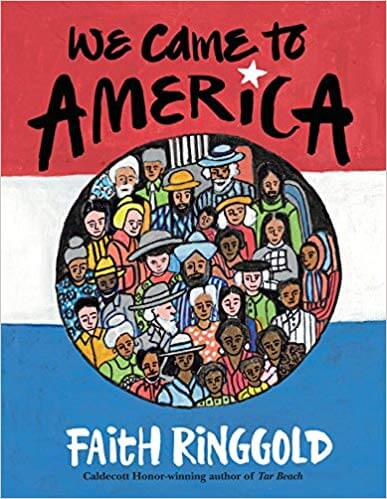
We Came to America by Faith Ringgold.
Purchase from Bookshop.org (supports independent bookstores and my business!)
It’s hard to find children’s books that truthfully acknowledge the many different ways people arrived in America, while also drawing attention to the fact that Indigenous people have been here for thousands of years before the United States existed.
The simple text and moving illustrations of We Came to America do both of those things. Readers learn that “some of us were already here. Some of us were brought in chains, losing our freedom and our names.” Families of many ethnicities are shown coming to America to leave behind injustice, fear, and pain. Yet they also bring their “joyful songs, our stories wise and true.” (Recommended for ages 4 – 8. Picture book. Black author.)
Includes:
- kid-friendly glossary of migration terms
- checklist of 45 recommended books for ages 3 to 16 (many more than the books in this post!)
- conversation tips
- ways families can take action together
Head here to learn more about the resource guide

La Frontera: El viaje con papá/My Journey with Papa by Deborah Mills and Alfredo Alva. Illustrated by Claudia Navarro.
Purchase from Bookshop.org (supports independent bookstores and my business!)
This is the true story of how Alfredo Alva and his father immigrated from Mexico to the U.S. without papers in the 1980s. We learn from Alfredo what life was like in his village when both his father and grandfather worked in the pine forest. But when his grandfather becomes too old to make the daily 5 mile trip to the forest, Alfredo and his brothers start to go hungry.
His father decides that he and Alfredo must go to America where he can earn more, while the other children will stay behind with his mother. During their journey, we not only experience their hardships. We also see how Alfredo’s father encourages him with warmth and humor through their difficult journey.
The book includes several pages of illustrated educational notes that help children briefly explore important questions about why people migrate and what their experiences are like. (Recommended for ages 6 – 10. Picture book. Mexican American co-author.)
Related post: Thoughtful children’s books about immigrants and refugees
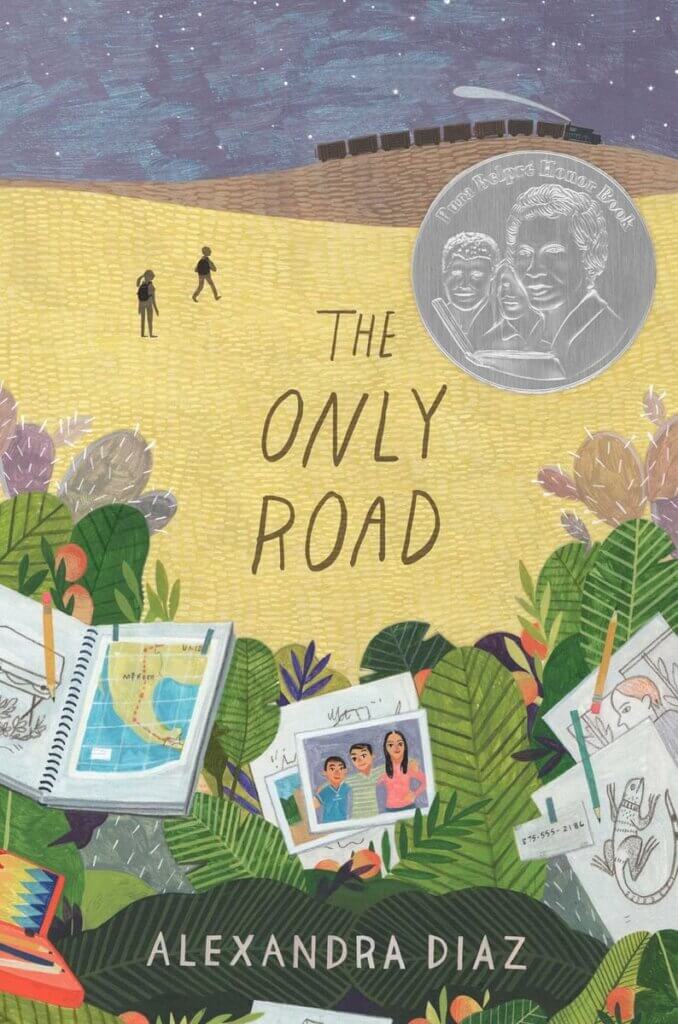
The Only Road by Alexandra Diaz.
Purchase from Bookshop.org (supports independent bookstores and my business!)
When 12-year-old Jaime’s cousin Miguel is killed by the Alphas, the gang tells him and Miguel’s sister Ángela that they will be next if they don’t join the Alphas. Their parents quickly decide that the only way they will be safe is to travel to el Norte to live with Jaime’s older brother.
As Jaime and Ángela undertake the harrowing, confusing, and exhausting journey, Jaime is haunted by feelings that Miguel’s death was his fault. Yet he also feels his cousin, who always knew what to do in tricky situations, guiding him. As they travel the roads through Guatemala and Mexico, Jaime keeps a shred of calm by documenting their journey in his sketchbook. Along the way, they meet many other children and adults who have failed in their multiple attempts to reach the border. Will all that Jaime and Ángela’s families have sacrificed be for nothing? (Recommended for ages 13+. Cuban American author.)
Related post: Great middle grade books for Latine/Hispanic Heritage Month
Children’s books about the history of borders and immigration in the U.S.
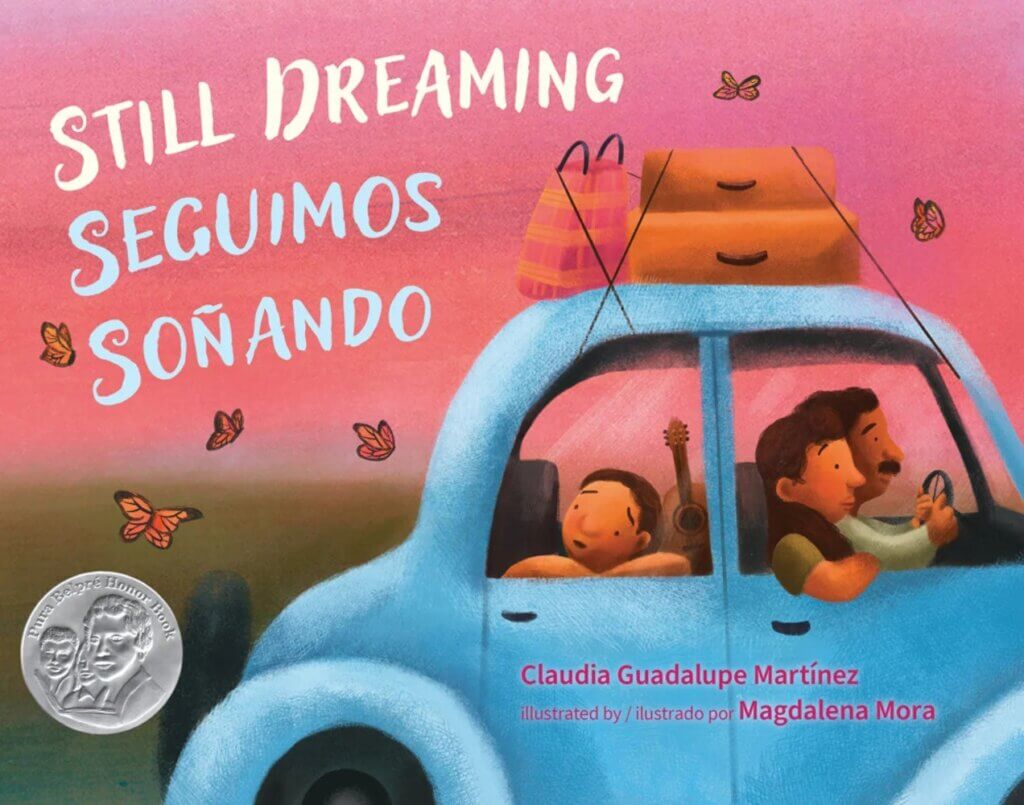
Still Dreaming/Seguimos Soñando by Claudia Guadalupe Martínez. Illustrated by Magdalena Mora.
Purchase from Bookshop.org (supports independent bookstores and my business!)
It’s important to share with children that mass deportations are not a recent phenomenon in U.S. history. This painful and moving story takes place in the early 1930s, when the United States established a policy of “Mexican Repatriation.” As the economy slowed and many white people blamed immigrants, approximately two million people were “repatriated” to Mexico. Many were U.S. citizens or part of families with mixed immigration status.
The little boy at the center of the story has only heard about Mexico from his Papá, never visited it. It’s the same for his Mamá. As neighbors are being taken away, they decide to leave before the same thing happens to them. The quiet, slow pace of the story and the child’s descriptions of what he sees from his car window keep the story from overwhelming young kids emotionally. Still, the sadness of what is happening to his family, and the others they meet on their journey, is apparent. (Recommended for ages 4 – 8. Picture book. Mexican American author.)
*For readers ages 8 – 12, the novel-in-verse A Sea of Lemon Trees by María Dolores Águila also takes place during the Mexican Repatriation policy.
Shop this list on Bookshop.org. (Supports independent bookstores and my business!)

Areli Is a Dreamer by Areli Morales. Illustrated by Luisa Uribe.
Purchase from Bookshop.org (supports independent bookstores)
DACA recipient Areli Morales tells her own true story of being undocumented and dreaming big dreams in this moving book. When she was very young, Areli lived with her Abuela in Mexico, hoping that her parents would return from the United States soon. After so many years of separation, talking to them on the phone almost feels like talking to strangers.
When Areli is able to join them later in Nueva York, adjusting to school is hard. She doesn’t understand her teachers. While Areli makes friends with other children who speak Spanish, some of her classmates tease her and call her illegal. Areli knows that she is not against the law! Her mother tells her that she hopes someday Areli can become a citizen, like her brother Alex (who was born in the U.S.)
Over time, America becomes home to Areli, and she begins to recognize that many people (or their ancestors) immigrated to the United States. Her dreams of a better life for herself grow strong.
Although the story itself doesn’t address the Deferred Action for Childhood Arrivals program that has been so important to undocumented people like Morales, there is an author’s note. I recommend adults read the note and use child-friendly language to describe how it helped Areli after reading the story. (Recommended for ages 4 – 8. Mexican American author.)
Related post: Engaging picture books starring Latine/x characters
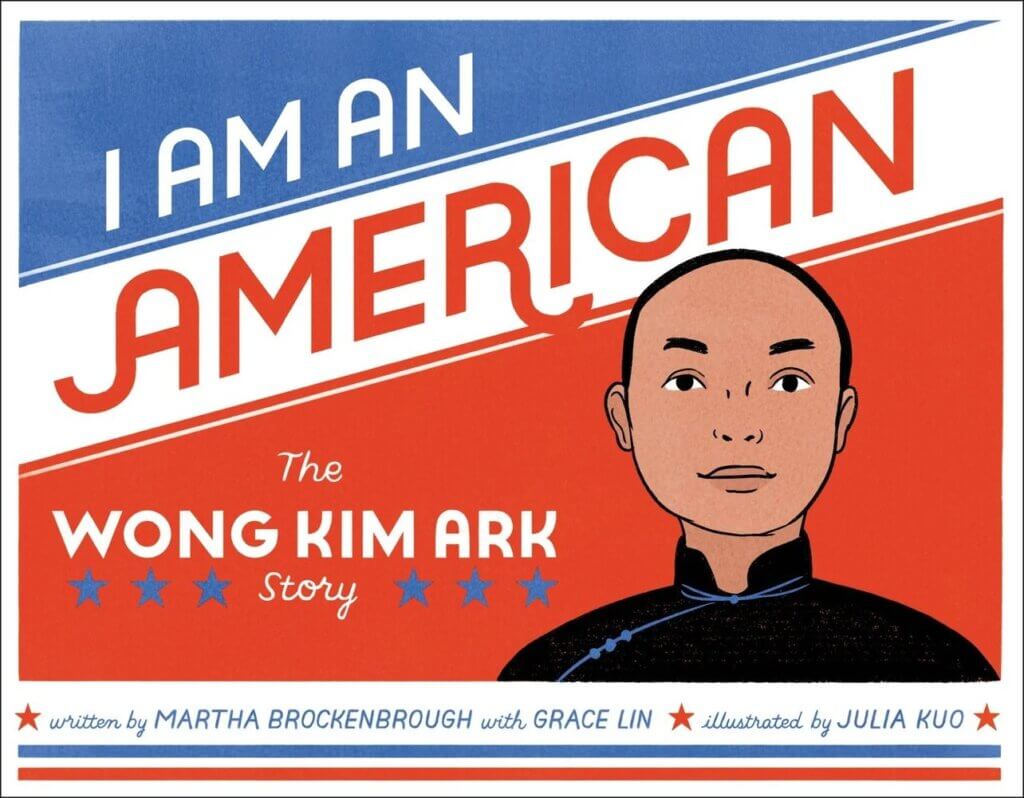
I Am an American: The Wong Kim Ark Story by Martha Bockenbrough with Grace Lin. Illustrated by Julia Kuo.
Purchase from Bookshop.org (supports independent bookstores and my business!)
This is an especially important read in a time when birthright citizenship is under political attack. I Am an American is a straightforward picture book that introduces children to Wong Kim Ark, who was born in San Francisco to Chinese immigrant parents in 1873. Kim Ark was growing up in a period where Chinese Americans faced increasing hostility, leading to the Chinese Exclusion Act. Yet as the text repeats, he always knew “I am an American.”
Kim Ark’s parents decided to return to China because life in the U.S. had become too hard. He planned to visit his parents, even though he knew laws might make re-entry to the United States difficult. Kim Ark prepared for the trip by obtaining notarized letters from three white U.S. citizens swearing that he was born in the United States.
Upon his return voyage, he was imprisoned rather than being allowed back into his home. With the help of his community, he sued, and his case reached the Supreme Court, establishing the precedent of birthright citizenship for all. (Recommended for ages 5 – 9. Picture book. Taiwanese American co-author.)
Related post: What is birthright citizenship? video series for kids
Discover hundreds of children’s books that tell U.S. history through the experiences of marginalized groups in my guide From the Margins to the Center.

Immigration, Refugees, and the Fight for a Better Life by Elliott Smith.
Purchase from Bookshop.org (supports independent bookstores and my business!)
This short non-fiction guide provides older elementary readers with basic information about the history of immigration in the United States. It also describes how refugee resettlement policy and immigration policy at the U.S./Mexico border changed during the first Trump administration. Students will find the immigration timeline at the end of the book a helpful resource for doing further research. A short list of action suggestions is also included. (Recommended for ages 8 – 12. Chapter book.)

Borderlands and the Mexican American Story by David Dorado Romo.
Purchase from Bookshop.org (supports independent bookstores and my business!)
This comprehensive yet accessible guide to the history of Mexican Americans in what is today the southwest United States and northern Mexico is a must-read for youth and adults alike.
Romo covers the region’s history, from pre-European contact through the present-day mistreatment of asylum seekers, emphasizing the experiences and resistance of young people throughout. He describes how the influences of Indigenous nations, Spain, Mexico, and the United States shaped the region’s history.
The book may be the first time many young readers have been exposed to the truth that much of what is today the United States used to be part of Mexico. As the book summary explains “Mexican American didn’t originally cross any border – rather, the border crossed them.” Romo demonstrates how this change disrupted life for people on both sides of the new border.
For tweens, the book is best used as a read aloud, though it could be read independently by teens. (Recommended for ages 10+. Chapter book. Mexican American author.)
Children’s books about deportation and detention
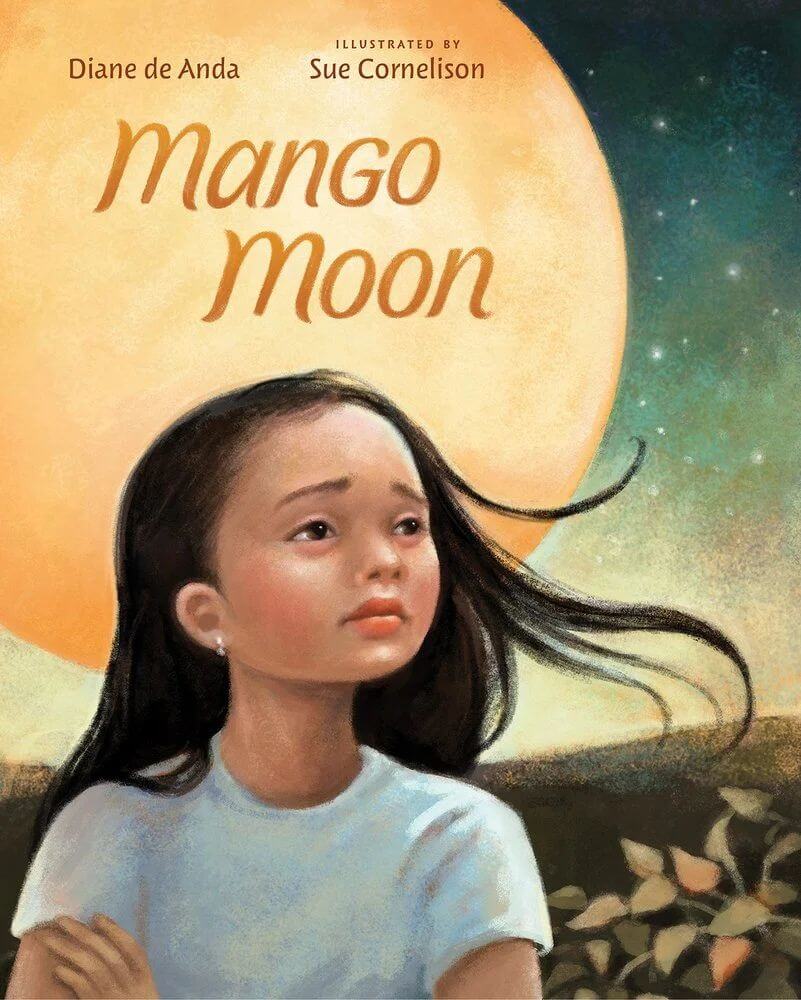
Mango Moon by Diane de Anda. Illustrated by Sue Cornelison.
Purchase from Bookshop.org (supports independent bookstores and my business!)
Everything has been difficult for 10-year-old Maricela since her Papi was detained during a workplace raid. Papi was her soccer coach, and the games aren’t the same without his cheers and encouragement. She and her little brother ride the bus, because now that Mama is working more hours, she can’t take them to school. They even have to move in with their cousins, leaving behind their beloved swing set.
Maricela remembers the mango moon her father showed her not so long ago. The final page spread of the book shows Maricela gazing at the moon in her yard, while Papi looks up at it from the detention center. (Recommended for ages 4 – 8. Picture book. Mexican American author.)
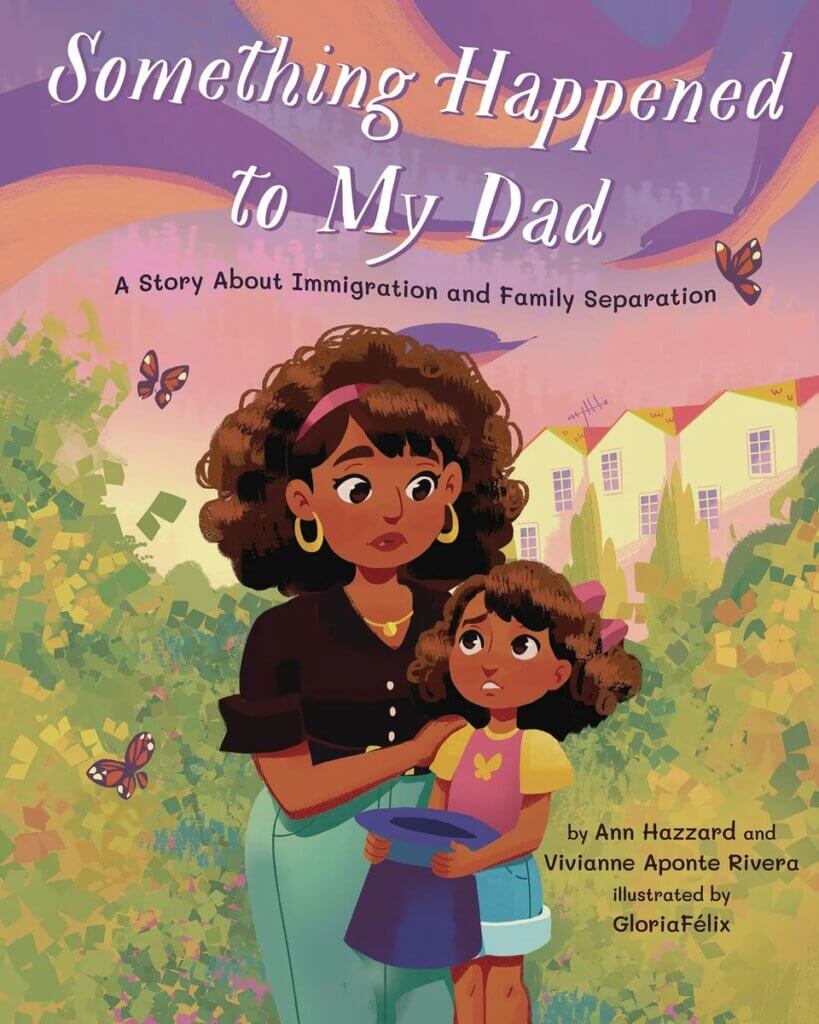
Something Happened to My Dad: A Story about Immigration and Family Separation by Ann Hazzard and Vivianne Aponte Rivera. Illustrated by Gloria Félix
Purchase from Bookshop.org (supports independent bookstores and my business!)
Written by two child mental health experts, Something Happened to My Dad presents a realistic story about a girl from a mixed status family whose father is detained. When Carmen’s Mamá explains that Papi was detained because he doesn’t have papers, Carmen wants to know if she and Mamá can give him theirs.
School is difficult for Carmen, in part because Mamá asks her not to tell other people what’s happening. When the truth unexpectedly spills out one day, some classmates are supportive while others give her “funny looks.” Carmen’s church community rallies around them, raising money for an immigration attorney. Still, there’s no magical resolution, as the judge is still waiting to decide Papi’s case at the end of the story. The friends and community Carmen’s family are surrounded by, as well as Carmen’s courage to take part in school talent show to honor her father, allow the story to end on a hopeful note.
An extensive reader’s note is included with sample dialogues for parents and children, as well as other resources. (Recommended for ages 4 – 8. Puerto Rican co-author.)
Related post: 10 ways families and educators can support immigrant children
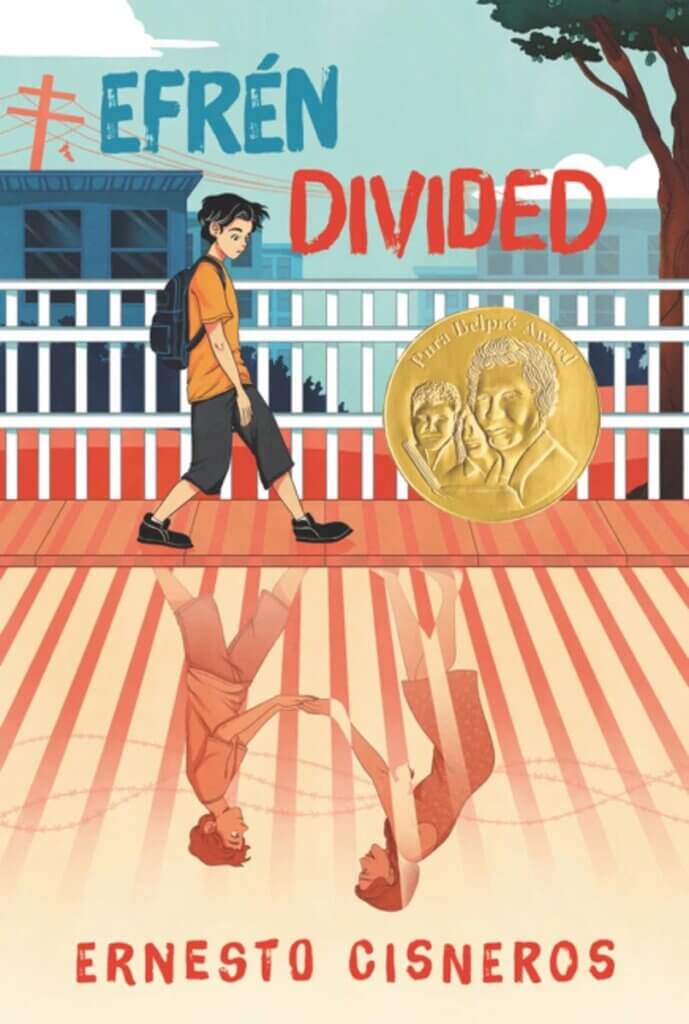
Efrén Divided by Ernesto Cisneros.
Purchase from Bookshop.org (supports independent bookstores and my business!)
Efrén’s Amá works everyday miracles for their family. She stretches what little they have and makes it seem easy, despite all her hard work at the factory and at home. Efrén and his twin 5-year-old siblings are U.S. citizens, while both their parents are undocumented.
When Amá is suddenly deported, Efrén has to take on adult roles and worries, especially since Apá is now working two jobs. Apá hopes to earn enough to smuggle his wife back into the country, but recent crackdowns at the border have made that much more difficult.
Efrén struggles with whether he can trust anyone else with the truth about what has happened to Amá. He longs to tell his best friend David, who’s white; but the reality feels too painful to admit. Instead, he tries to act as if everything is normal, while juggling care for Max and Mia along with schoolwork and helping David’s ill-advised run for student body president.
While some children’s books about deportation create implausible happy endings, this moving book reflects reality while also focusing on resilience and hope.
Note: There is a lot of Spanish in this book, much of which you can figure out from context clues. There is a glossary that translates all the words, phrases, and sentences at the end of the book. (Recommended for ages 9 – 13. Chapter book. Mexican American author.)
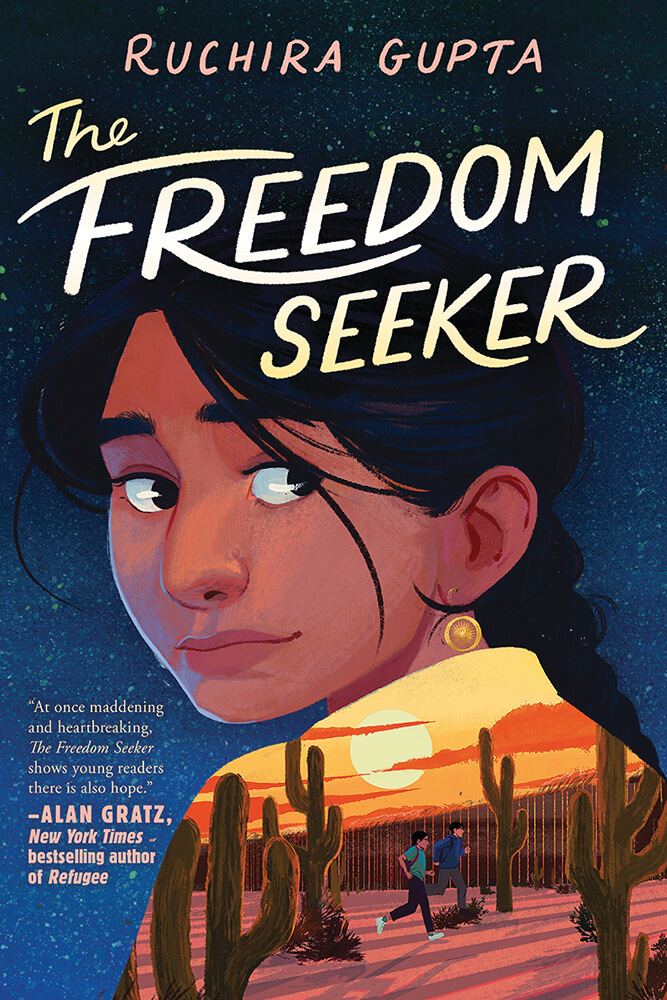
The Freedom Seeker by Ruchira Gupta.
Purchase from Bookshop.org (supports independent bookstores and my business!)
This important middle grade novel describes the painful experience of asking for asylum and being placed in immigration detention as a young teen.
Twelve-year-old Simi Singh loves her life in Punjab, India, where her close-knit family supports her dream of winning the national field hockey tournament. But when bigoted groups threaten her mother and attack her father because they’re opposed to their interfaith marriage, it becomes clear the family isn’t safe.
The plan is for Simi’s father to seek asylum in the U. S. first and then send for Simi and her mother. But he quickly discovers that recent policy changes mean he can’t reunite with them. Simi and her mother must fly to Mexico, take part in a dangerous desert journey on foot led by coyotes, and then ask for asylum when they reach the U.S. border.
During the incredibly difficult journey, Simi is separated from her mother. She ends up locked in a cramped, cold, unsanitary detention facility with other frightened children. Even after she is transferred to a shelter, cruel rules and an unfeeling bureaucracy keep her from being able to talk to her father or find her mother. Yet Simi is determined to use every opportunity to connect with her Abbu and locate her Ammi. (Recommended for ages 10 – 14. Chapter book. Indian American author.)
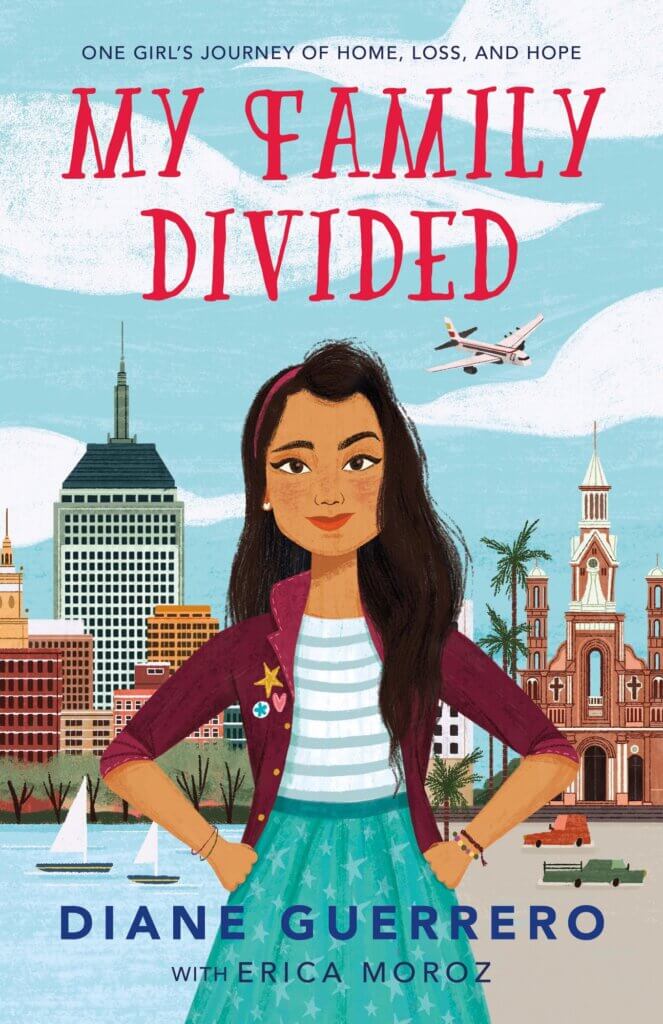
My Family Divided by Diane Guerrero with Erica Moroz.
Purchase from Bookshop.org (supports independent bookstores and my business!)
In this young reader’s adaptation of her memoir In the Country We Love, actor Diane Guerrero shares the devastating effects of her parents’ deportation when she was a high school freshman. (While the book has been marketed as a middle grade read, I think it’s more likely to appeal to and be appropriate for teens.)
As the only U.S. citizen in her family of four, Guerrero was left to fend for herself after her parents were both detained on the same day in 2001. Soon after, they were deported to Colombia, with Guerrero spending the rest of high school living with a couple of different friends’ families. She constantly tried to stand under the radar for fear that she’d be sent by authorities to live with a foster family.
Diane narrates her struggles with anger at her parents and others, along with her fear of what would happen both to them and to her. During high school she often managed to stuff down her feelings about the trauma she experienced as she immersed herself in her performing arts school, but in college she fell into a deep depression. Guerrero is honest about these painful realities, and how support from a counselor helped her find a way forward. Her entire experience shows how when a family member is deported, it forever changes the lives of those they are forced to leave behind.
Content note: Guerrero discusses her experience with cutting and suicidal ideation. (Recommended for ages 13+. Colombian American author.)
Children’s books about solidarity with immigrants and resistance to unjust policies
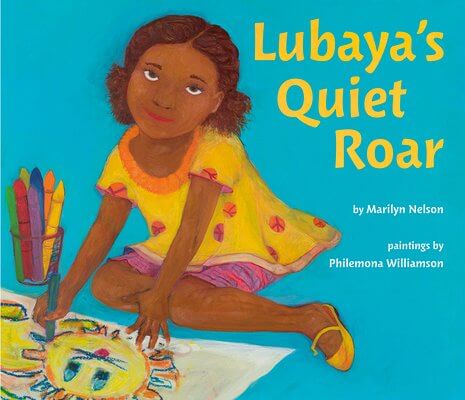
Lubaya’s Quiet Roar by Marilyn Nelson. Illustrated by Philemona Williamson.
Purchase from Bookshop.org (supports independent bookstores and my business!)
Activists come in many personalities and action can take many forms. Lubaya is a quiet dreamer who prefers making art to talking in class discussions. Her parents have participated in protest marches before and brought posters home from them. When Lubaya finds the posters, she covers the backs with drawings of her vision of how the world should be.
After viewing breaking news (which isn’t specific, likely in order to protect sensitive young readers from reports of violence), Lubaya’s family needs the posters once again. But this time, it is Lubaya’s art on the backs of the posters that garners the most attention. (Recommended for ages 4 – 8. Picture book. Black author.)
Related post: Books about race and racism for children and teens
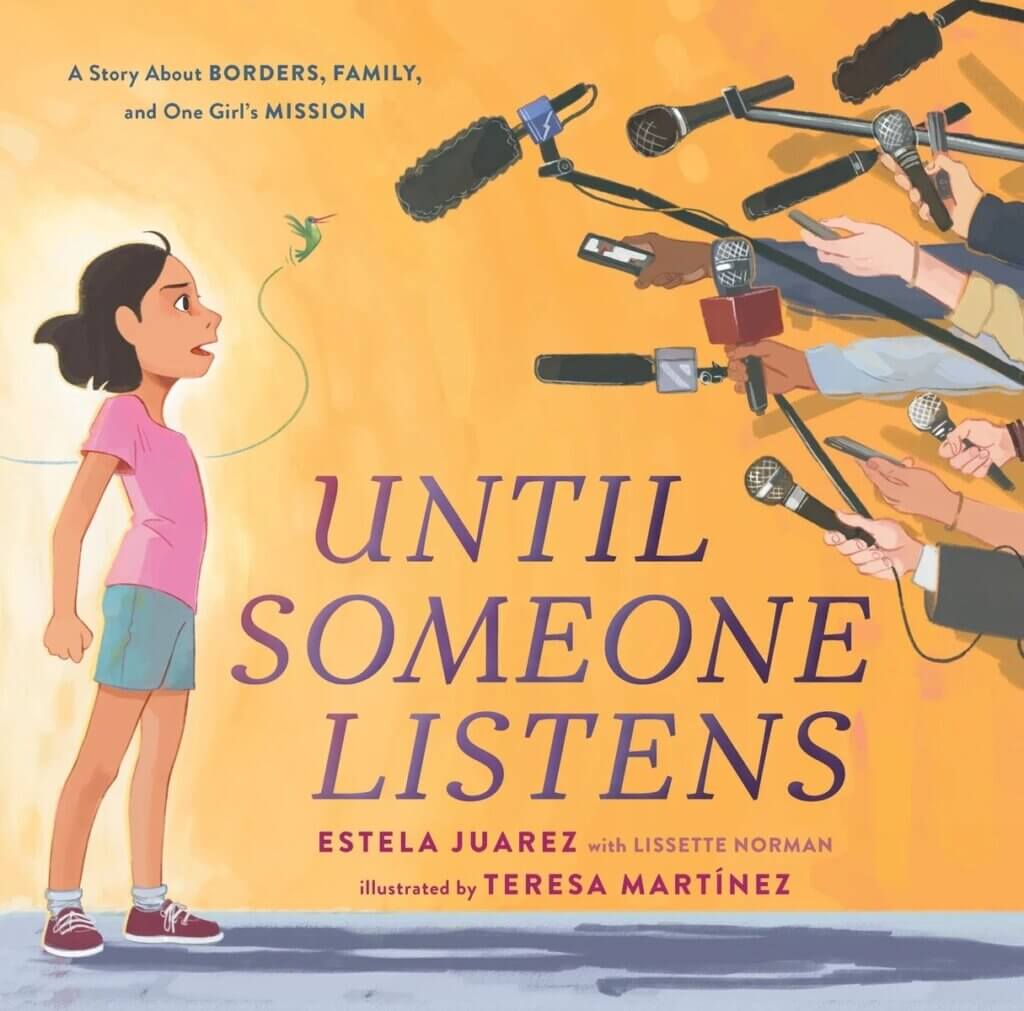
Until Someone Listens: A Story about Borders, Family, and One Girl’s Mission by Estela Juarez with Lisette Norman. Illustrated by Teresa Martínez
Purchase from Bookshop.org (supports independent bookstores and my business!)
In this moving book, Estrela Juarez tells the true story of her mother’s deportation and Estrela’s public campaign to reunite their family.
Estrela describes herself as being a lot like her mother, full of curiosity and energy who “carried hope on her wings.” For years, the family had been living with the terrible possibility that her mother would be deported. Estrela’s mom began having nightmares of being separated from her husband and children, until one day that nightmare became real.
After living with her mother in Mexico for a time, Estrela began writing to the President, to Congress, to newspapers, and to anyone else who would listen to their story. Her message was clear: “Families should end up how they started. Together.” (Recommended for ages 5 – 9. Picture book. Mexican American author.)
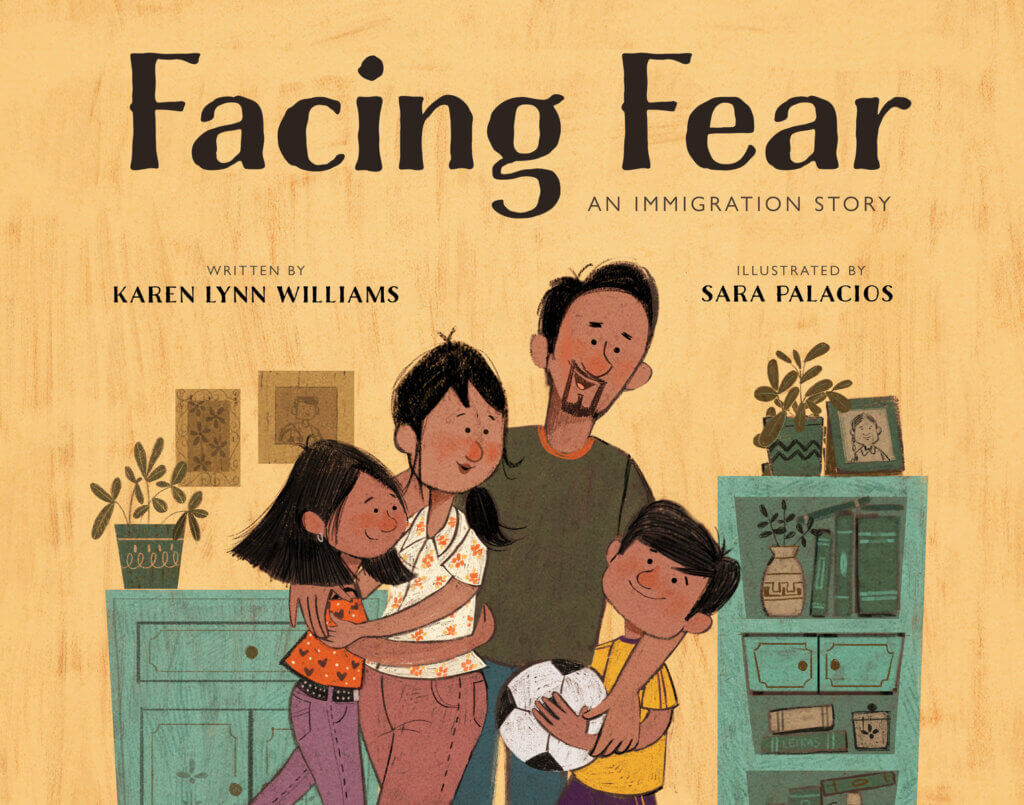
Facing Fear: An Immigration Story by Karen Lynn Williams. Illustrated by Sara Palacios.
Purchase from Bookshop.org (supports independent bookstores and my business!)
Words can’t express how excited Enrique is when his soccer team makes it into the tournament. But Papá insists he cannot go because it will involve crossing the immigration checkpoint. Enrique knows he’s a citizen, so he doesn’t see what the big deal is. His older sister tries to make him understand how he could be putting his whole family in danger, but all Enrique can think about is that he’ll be letting his team down if he doesn’t go.
After hearing the full story of how his parents came to the United States and the dangers they endured, Enrique becomes angry with his teammates for pressuring him to attend the tournament. Will they ever understand what his parents must do to protect his family? (Recommended for ages 5 – 9. Picture book. White author.)

For All/Para Todos by Alejandra Domenzain. Illustrated by Katherine Loh.
Purchase from Bookshop.org (supports independent bookstores)
Children’s books about social justice issues often try too hard to make the story neat and tidy for young readers. That’s not the case in For All/Para Todos, which encourages children and adults to join in the fight for immigrant rights rather than implying problems can be easily fixed.
As a child in Mexico, Flor sees all kinds of images showing what life is supposedly like “over there” in the United States. When she and her father fall on hard times and are forced to emigrate, they begin to see the ways that those images of the U.S. didn’t tell the whole story.
Flor’s father works all the time, but they still don’t have piles of presents under the Christmas tree. Her father reveals the truth that the rules she believed in don’t apply to them because they are undocumented. (Children can see get an idea of what this means through several illustrations of Dad holding papers with large red X’s on them.)
As Flor learns that “justice for all” is really “justice for some,” she decides to use her growing gift at writing to work for change. This book is a powerful explanation of community organizing that is rarely seen in children’s literature. (Recommended for ages 5 -9. Picture book. Mexican American author.)

No Voice Too Small: Fourteen Young Americans Making History edited by Lindsay H. Metcalf, Keila V. Dawson, and Jeanette Bradley.
Purchase from Bookshop.org (supports independent bookstores and my business!)
In this illustrated volume of social justice poetry, readers meet 14 young activists, from six-year-olds to teens who have tackled a variety of issues using their particular talents and strengths.
For readers looking for examples of young people working to stop unjust immigration policies, Guadalupe Garcia McCall’s poem about a 2017 protest in Texas will be of particular interest. Viridina Sanchez Santos was angered by a proposed law that would allow law enforcement to ask for immigration papers from anyone. She and her friends organized a protest at the Texas capitol where all the participants wore their quinceañera dresses. (Recommended for ages 8 – 12. Picture book. Poets are of many different races and ethnicities.)
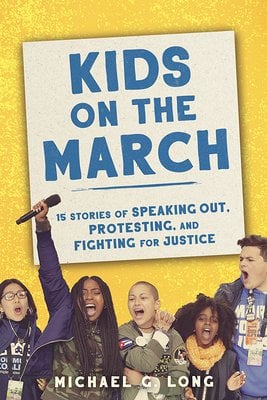
Kids on the March: 15 Stories of Speaking Out, Protesting, and Fighting for Justice by Michael C. Long.
Purchase from Bookshop.org (supports independent bookstores and my business!)
This unique volume tells the stories of 15 protest movements that involved or were led by young people in the 20th and 21st centuries in the United States. Some young readers will be familiar with the climate strike, March for Our Lives, or protests after George Floyd’s murder, but will learn new details about how and why young people marched for these causes. Earlier activist movements will be unfamiliar to most young readers, such as the child mill workers who marched to President Roosevelt’s summer home in 1903, or the Chicano student walkouts in East Los Angeles in 1968.
One of the featured protest movement is the 2019 March for Dreamers, organized when President Trump threatened to phase out the Deferred Action for Childhood Arrivals (DACA) program that had allowed many younger undocumented immigrants to live and work without fear of deportation.
While individual children or youth stories are highlighted, one of the best attributes of the book is that it shows the power of movements, not just charismatic individuals. Long is also honest about the fact that some protests did not result in big victories. (Recommended for ages 9 – 14. Chapter book. White author.)
