Why is it important to talk to kids about antiracist allies, accomplices, and co-conspirators? Aren’t white folks supposed to center the voices of Black, Indigenous, and People of Color? Does focusing on allyship take away from that important goal?
Let me share a brief story that highlights one reason it’s important for white children to learn about white antiracist activists.
During a recent workshop, a parent talked about reading a book to her 5 year old about a famous Black athlete from the 1940s who was harassed by sports fans.
Her son wondered if he had been alive then, would he have been one of the people joining in the harassment?
Because all the white people in the story were joining in the racist attacks against the athlete, the 5-year-old thought he probably would have participated.

Young children tend to be literal and rigid in the ways that they categorize people. So it’s not surprising this child would make the assumption he did. He probably thought along the lines of, “White people were racist. I am white. So I would have been racist.”
But it’s not just young kids who can fall into thinking that being white always equals being racist.
With older children who are upset about the existence of racism, feeling guilty or ashamed about being white is fairly common. Over the long term, guilt and shame can become so uncomfortable that white children may start to resist talking about racism.
Learning about white allies and accomplices who have disrupted racism can help kids understand that being white does not have to equal upholding racism. Antiracism can become central to a white person’s racial identity.
Related Post: What age-by-age guides to talking about race are missing

Disclosure: For your convenience, this post contains affiliate links. If you purchase items through these links, I may earn a small commission at no additional cost to you. You can read my full disclosure policy here.


Things to keep in mind when talking about allies and accomplices with white kids
When talking about allies and co-conspirators, the idea isn’t to divide white people into “good white people” and “bad white people.” It’s important for white kids to learn how to be self-critical in questioning how racist systems have shaped their ideas and beliefs. Simplistic categories don’t help them develop that skill.
Ally and accomplice aren’t permanent label, because we all make mistakes. It may be more helpful to talk to kids about “doing the work” of an ally or accomplice.
(For specific ideas for how white adults can move from ally work into the work of an accomplice, see this resource.)
Adults also need to walk a fine balance when we’re talking about white antiracist allies.
We want children to understand that throughout history there have been white people who have stood up against racism. But we don’t want to mislead them into thinking that most white people taken up the work of antiracism. Sadly, that’s simply not true.
Even as we talk about allyship, adults must center the leadership and stories of Black activists and activists of color. It’s the courage of these leaders to stand up for themselves that prompted white people to join them in solidarity.
Related Post: 15 children’s books about the civil rights movement
Finally, look for a wide variety of examples to point kids too. Some antiracist co-conspirators have risked being physically attacked or going to jail. But there is also a need for allies and accomplices who take less public action, like those who speak up when a family member tells a racist joke or who raise money for antiracist efforts led by people of color.
Related Post: How parents & educators can model apologizing for racial mistakes to kids
White allies and co-conspirators from history
John Woolman
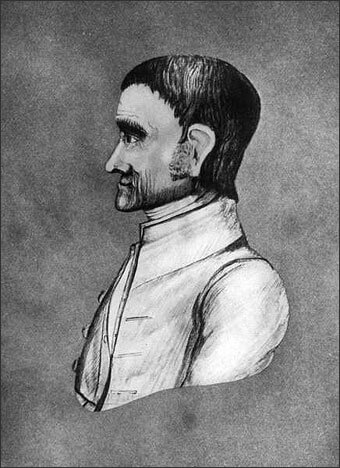
John Woolman was a 18th century Quaker antislavery advocate. His conscience was troubled when a friend asked him to write up a bill of sale for an enslaved person, as well as a will that left the enslaved person to a fellow Quaker.
His conviction against slavery became so strong that he stopped wearing clothes that were dyed with indigo. He knew that the dying process was dangerous and could make enslaved people (including children) very ill from doing this work.
He especially wanted to convince his fellow Quakers that it was wrong to buy or sell goods that were made by enslaved people. So he sailed from America to England to spread his message to the Society of Friends there. He spent the rest of his life travelling throughout England to urge Friends not to purchase goods made by enslaved people.
Related Post: How should we talk with children about enslavement?
Newton Knight
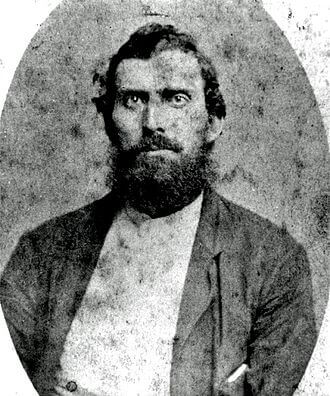
I learned about Newton Knight in this article from Rethinking Schools about the importance of teaching Reconstruction. Knight, a poor white farmer from Mississippi, joined the Confederate Army because he would likely have been terrorized if he refused. But when men who “owned” at least twenty of more enslaved people were exempted from fighting, Knight friend Jasper Collins deserted the army. He realized that poor white men were being required to fight a war that was for the benefit of rich white men. Knight followed him soon after. He was arrested and tortured for refusing to re-enlist.
After the war ended, Knight married and raised children with a formerly enslaved woman named Rachel, making many enemies because of his embrace of his family. He supported the Radical Reconstructionist cause for Black voting rights despite threats of violence. (Learn more about Newton Knight in this article.)
Juliette Hampton Morgan
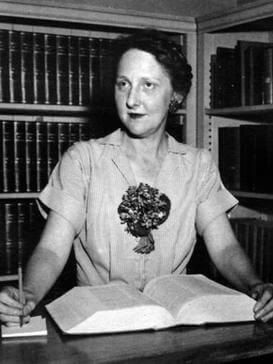
Juliette Hampton Morgan was a white librarian who fought against racism on Montgomery’s city buses decades before the official bus boycott campaign began. The Morgan family was wealthy and well-connected, but this didn’t stop Juliette from speaking out about the abusive treatment she saw bus drivers carry out against Black passengers.
In 1939, Morgan began writing letters to the local newspaper, criticizing the bus system and calling segregation unchristian. She was fired from her job at a local bookstore because of the letters.
It was common for bus drivers to drive away after Black customers paid their fare. (Black riders had to step off the bus after paying to enter the rear entrance.) When this happened, Morgan would pull the emergency cord and demand that the passenger be allowed on the bus. The other passengers were shocked at her behavior, and her mother told her she was ruining their family’s reputation.

Resources: A brief version of Morgan’s story is told in the book Not My Idea: A Book About Whiteness by Anastasia Higginbotham (best for ages 8+). Purchase from Bookshop.org (supports independent bookstores)
Teaching for Justice has a middle and high school lesson about Morgan here.
Ralph Lazo
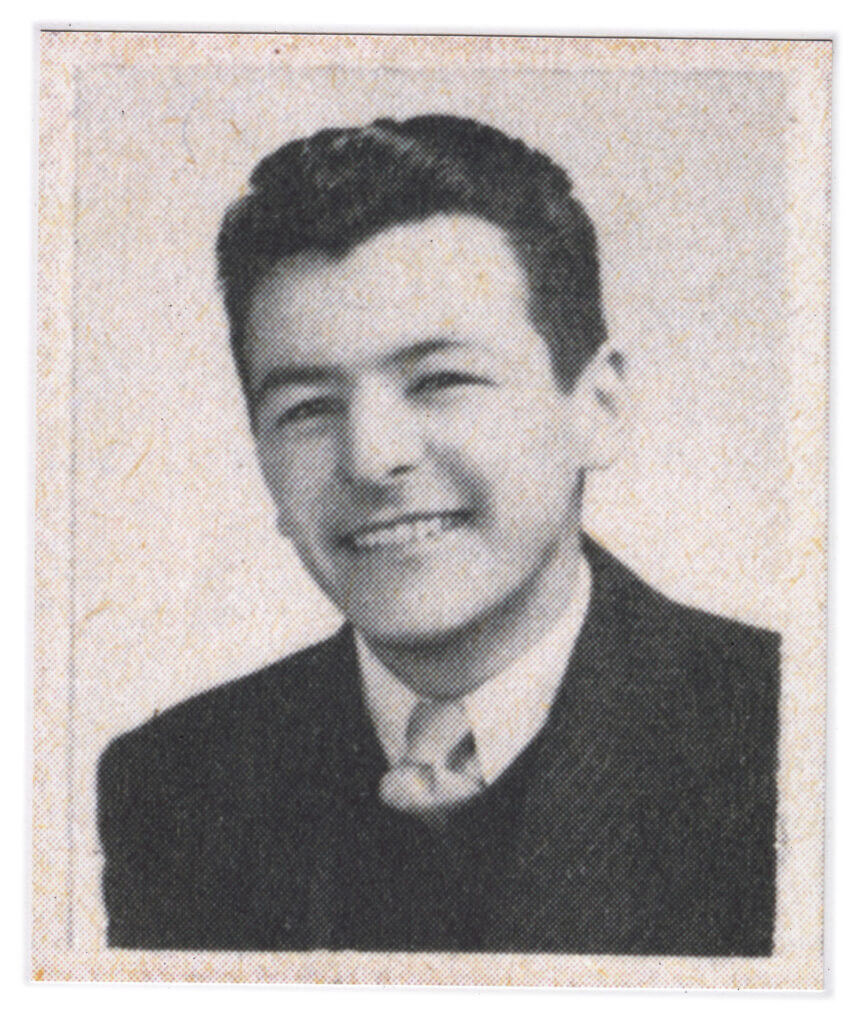
Ralph Lazo was the only non-Japanese person (other than spouses of Japanese Americans) who voluntarily relocated to a World War II internment camp for Japanese Americans. Ralph’s ancestry was both Mexican and Irish, and he had many Japanese American friends at his high school.
As a sign of protest over his friends’ unjust treatment, he lived with them in the Manzanar prison camp. He told the Los Angeles Times, “internment was immoral. It was wrong, and I couldn’t accept it. These people hadn’t done anything I hadn’t done except go to Japanese language school.”
Later, Lazo helped raise money for a class-action lawsuit that demanded reparations for Japanese-Americans who had been imprisoned during World War II.

Resource: Ralph Lazo’s story is told briefly, along with a few other allies of Japanese Americans, in the children’s book Fred Korematsu Speaks Up by Laura Atkins, Stan Yogi, and Yutaka Houlette. (recommended for ages 8 – 12). Purchase from Bookshop.org (supports independent bookstores)
Janie Forsyth McKinney
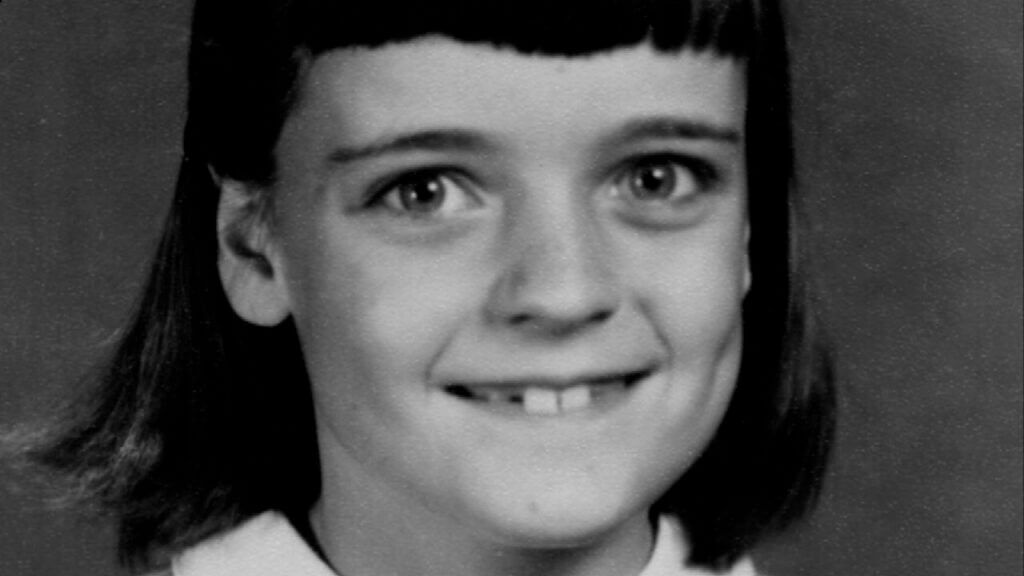
In 1961, Black and white civil rights activists participated in the Freedom Rides, riding buses throughout the South in defiance of segregation laws. A mob in Anniston, Alabama lit their bus on fire, with the Freedom Riders trapped inside. The violent mob forced the bus to stop in front of 12-year-old Janie Forsyth McKinney’s home. The bus’s fuel tank exploded, forcing the riders out of the bus, where they were beaten by the mob.
McKinney ran into her house to grab a bucket of water and cups to attend to the injured riders. She washed their faces and gave them water to drink. Eventually the police dispersed the crowd and the injured were taken to Birmingham.
McKinney learned later that local Klan members discussed whether she should be “tried as an adult” for undermining their efforts. She was also ostracized by her classmates for her brave act. Years later, she said that “all I know is that I had made any other choice, I would have had to live with that. I’m proud of the choice I made. I think it was a moral choice, a humane choice, a spiritual choice. I wouldn’t undo it for anything.”
Related Post: 12 unsung social justice activists kids should know about (and the children’s books that tell their stories)
Resources: Watch an interview of McKinney as an adult in this PBS trailer (note that the n word is used.)
Ronald Kidd has written a historical fiction book loosely inspired by this event called Night On Fire (recommended for ages 8 – 12). Purchase from Bookshop.org (supports independent bookstores)

After the violent attack in Anniston, Joan Trumpauer, a white civil rights activist and college student, joined the Freedom Rides and was arrested for her participation. Her story is told in the book She Stood for Freedom (recommended for ages 7 – 11). Purchase from Bookshop.org (supports independent bookstores)