
Teaching children about racism is no easy thing. Neither is raising kids who will stand up against bigotry and white supremacy. The good news is that there are many parents and educators just like you who know that we must speak openly with kids about race and racism. In this post, I’ve compiled some of the best anti-racism resources I’ve found to help you do this important work with children.


Disclosure: For your convenience, this post contains affiliate links. If you purchase items through these links, I may earn a small commission at no additional cost to you. You can read my full disclosure policy here.
Anti-Racism Resources for Parents of Preschoolers and Elementary Age Children
RESilience: Uplifting Youth Through Healthy Communication About Race
Living in a racist society is a continual source of stress for kids of color. This initiative from the American Psychological Association teaches caregivers how to help children of color develop healthy racial identities. Their parent tip tool gives examples for how to help kids at every age level develop resilience in the face of racism.
You can also explore my archive of posts about race and racism.
The Conscious Kid
I can’t count the number of things I’ve learned from The Conscious Kid’s posts on Facebook and Instagram. From understanding the racial implications of pop culture and political news to finding excellent diverse books and media (and which you should avoid), this non-profit is a great resource.
Embrace Race
This nonprofit helps parents of all races to raise kids who are “brave, informed, and thoughtful about race.” Two anti-racism resources I often use are their monthly Talking Race and Kids webinars, and their book list 26 Children’s Books to Support Conversations on Race, Racism, and Resistance.
 Raising Race Conscious Children
Although this parenting blog isn’t currently being updated as often as it once was, they have tons of helpful past posts. Many of these are actual conversations between parents and young kids about race and identity related topics. I often consult their list of 100 Race Conscious Things You Can Say to Your Child to Advance Racial Justice.
Brownicity
Brownicity provides education and advocacy tools for both anti-racism work and racial healing. Many of their blog posts and resources are focused on families and children. They’re also a great resource for folks who want to work for racial justice using a Christian framework.
Related Post: How I Failed to an Anti-Racist Parent in the Grocery Store Parking Lot
A Striving Parent
A Striving Parent‘s goal is to support parents who are passionate about racial justice. Especially if you’re juggling activism and parenting, you’ll find encouragement in Shannon’s posts.
Raising an Advocate
Danielle Slaughter’s blog posts and courses at Raising an Advocate remind parents that we can’t put off talking about ugly realities like racism in the name of protecting our children’s innocence. She doesn’t mince words about what parents, especially white parents, need to do to push back against white supremacy.
Parenting for Liberation
Trina Greene Brown started her podcast and blog at Parenting for Liberation because as the mother of two Black children, she realized that too often, fear was guiding her parenting, rather than liberation. A Black Feminist Mama, her podcast episodes cover a wide range of topics related to race, social justice, and parenting.
Related Post: What the word racism actually means (and how to explain it to kids)
Anti-Racism Parenting Books
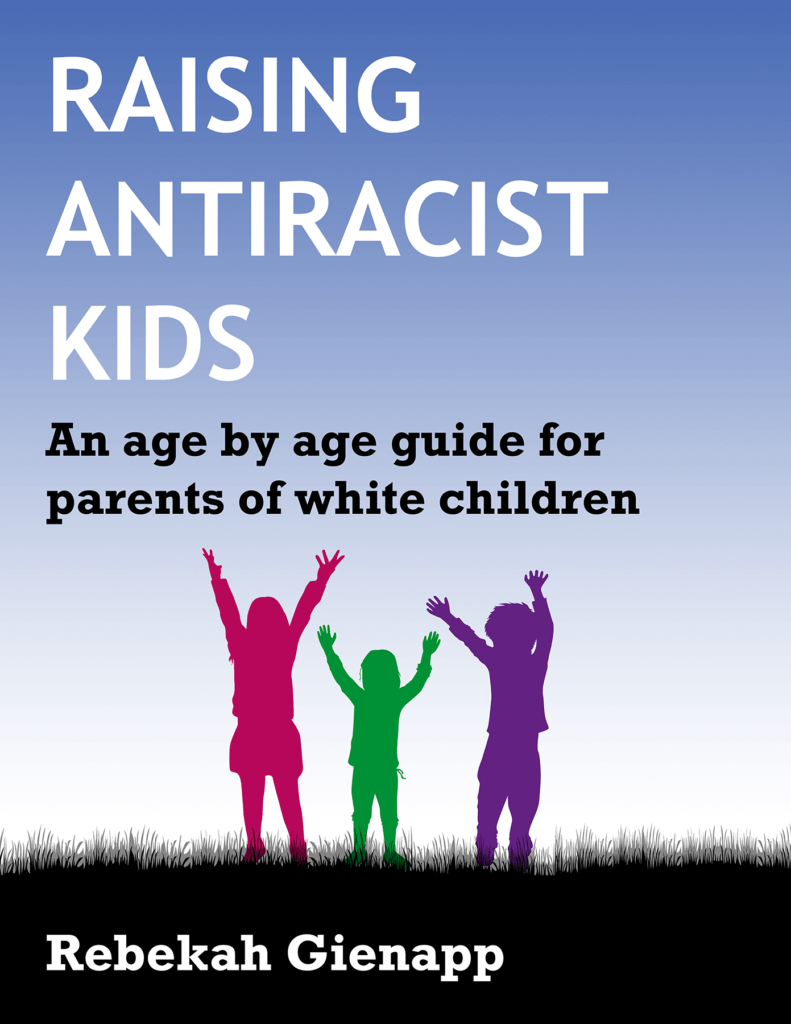
I wrote Raising Antiracist Kids: An age by age guide for parents of white children because I knew how much parents need practical resources to help them talk about race with their children and move from conversation into action. From toddlers to teens, my book can help you respond to kids’ race-related questions with calm and truthfulness, mentor your children into speaking up against stereotypes, and take action in a way that makes sense to your children.
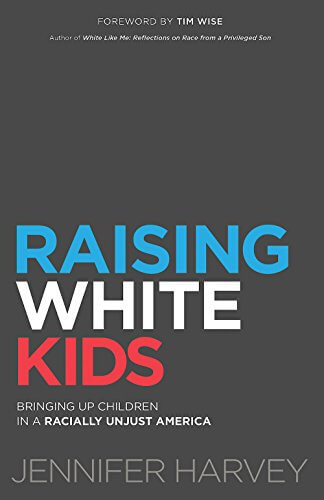
Raising White Kids: Bringing Up Children in a Racially Unjust America by Jennifer Harvey
Is there such a thing as a healthy racial identity for white kids? What does it look like and how can parents help kids develop it? A college professor and parent of two young girls, Harvey shows parents through helpful frameworks, plus concrete conversations and examples, how to prepare white children to be anti-racist.
Related Post: 7 Ways to Raise Race Conscious Kids
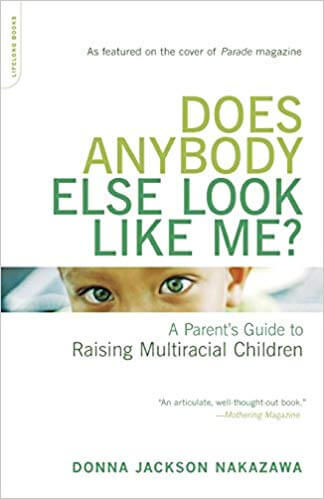
Does Anybody Else Look Like Me? by Donna Jackson Nakazawa
How can the parents of multiracial kids prepare them to live confidently in a world that so often misunderstands them or asks inappropriate questions? This helpful book covers the preschool years, elementary, and adolescence.

Why Are All the Black Kids Sitting Together in the Cafeteria? And Other Conversations About Race by Beverly Daniel Tatum
This classic book about how children and teens develop their racial identity received a vital update in 2016. Tatum does talk about younger children in the book. But its the biggest impact on me was explaining what racial identity changes take place in the teen years, and what support teens need from caregivers.
Related Post: Talking about microaggressions with kids
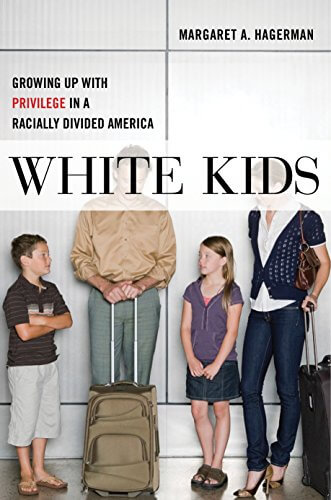
White Kids: Growing Up with Privilege in a Racially Divided America by Margaret Hagerman
What are white children learning about race in our society? How do their families (often without realizing) reinforce racial injustice and educational inequality? Hagerman tackled these tough questions through two years of in depth interviews with affluent white children and their parents.
Anti-Racism Resources for Teachers
Teaching for Change
There are so many valuable resources for educators of all age levels at Teaching for Change. Some of my favorites are Teaching Young Children about Race, and their collection of articles on developing an anti-bias curriculum.
Rethinking Schools
From Teaching for Black Lives to a planner that helps teachers map out how they will educate children to change the world, Rethinking Schools offers a variety of valuable books and other anti-racism resources.
Related Posts:
How Should We Talk with Children about Slavery?
Antiracism at school: 9 inspiring examples for educators
Teaching Tolerance
If you’re an educator commited to social justice and anti-racist education, you’ll find many free resources available at Teaching Tolerance, including a lesson plan builder and a free subscription to their print and digital magazine for K-12 educators.
Related Post: 4 inspiring groups teaching kids about justice and activism
Teaching While White
More than 80 percent of U.S. teachers are white, but most don’t understand how race impacts their classrooms. How can both teachers and students become racially literate? How can teachers make whiteness visible in the classroom? What can white teachers do to understand how race impacts their teaching? Teaching While White addresses these questions and more through their blog posts and podcast episodes.
Related Post: Teaching about Native Americans in Preschool and Kindergarten: Do’s and Don’ts
Dear White Teacher: 13 Books to Read on Racial Literacy
Parent, teacher, and blogger Bethany Edwards of Biracial Bookworms has compiled an excellent list of books and blog posts that help educators understand race and racism.
 Guides to Help You Deepen Your Own Anti-Racism Work and Thinking
The following two resources are not geared towards parents in particular. But continually doing your own work to understand and push back against racism is essential if you want to raise or teach anti-racist kids.
Speak Up: Responding to Everyday Bigotry
From family gatherings to the workplace to our children’s schools, bias is everywhere. So what do we do when we encounter it? This guide from the Southern Poverty Law Center will help you speak up with growing confidence, setting an example of anti-racism for the kids in your life.

